

Dr Michael Kernohan is a Specialist Plastic & Reconstructive Surgeon in Sydney who discusses facelift risks clearly before surgery is considered. Facelift surgery can involve risks such as haematoma, infection, scarring, nerve changes, altered sensation, asymmetry and anaesthetic complications.
A facelift, also called a rhytidectomy, is an operation that works on the deeper tissues, skin and sometimes fat of the lower face and neck. Understanding the risks is part of making an informed decision, not a reason to feel rushed or pressured.
This page explains common facelift risks, who may have a higher risk profile, and when to seek help after surgery. It is general information only and does not replace a consultation with Dr Michael Kernohan or advice from your treating medical team.
What Is a Facelift?
A facelift is an operation that addresses selected age-related changes in the lower face and neck. It may involve work on deeper support layers, skin, and sometimes fat, depending on the patient’s anatomy and surgical plan.
- Facelift surgery commonly focuses on the lower face, jawline and neck.
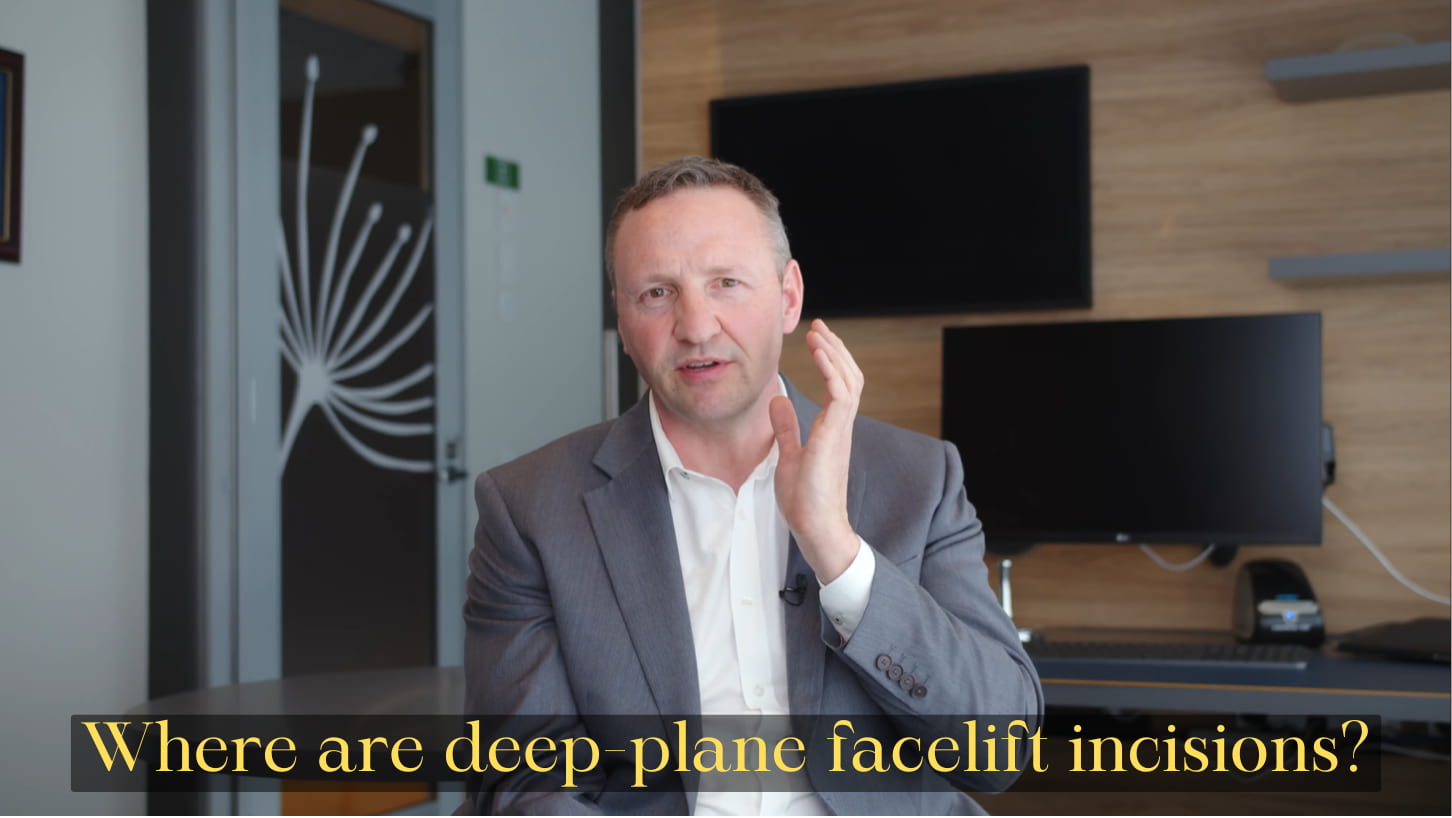
- Incisions are often placed around the ear and may extend into the hairline.
- Deeper tissues may be lifted or repositioned, depending on the technique used.
- Skin is redraped after deeper support has been addressed.
- A facelift does not stop ageing or change bone structure.
Dr Michael Kernohan offers facelift surgery as part of his face surgery practice in Sydney. During consultation, he explains what the procedure can and cannot address before discussing whether surgery is suitable.
Why Should Patients Talk Openly About Facelift Risks?

Patients should talk openly about facelift risks because informed consent requires a clear understanding of possible benefits, limitations and complications. A calm discussion of risk helps patients make decisions based on medical facts rather than marketing language.
- Expected short-term effects may include swelling, bruising, tightness and temporary numbness.
- Complications are less common problems that may need extra treatment or further review.
- Some complications can affect healing, comfort, scarring or appearance.
- Anaesthetic risks and general surgical risks also need to be considered.
- Consent should include time for questions and reflection.
Dr Michael Kernohan discusses facelift risks as part of the consultation process in Sydney. The aim is to help each patient understand whether the possible benefits of surgery are acceptable when weighed against the risks.
What General Surgical and Anaesthetic Risks Can Occur With a Facelift?
Facelift surgery is usually performed under anaesthesia in an operating theatre, so general surgical and anaesthetic risks apply. These risks are not unique to facelift surgery, but they still need to be considered before deciding on an operation.
- Anaesthetic effects can include nausea, vomiting, sore throat or drowsiness.
- Rare anaesthetic complications can involve allergic reactions, breathing concerns or heart-related events.
- Blood clots can occur after surgery, especially in patients with certain risk factors.
- Infection can occur whenever the skin is cut.
- Delayed wound healing may occur in some patients, particularly when circulation or general health is affected.
Your anaesthetist will review your medical history and discuss anaesthetic risks before surgery. Dr Michael Kernohan also considers your health, medications and lifestyle factors when assessing whether facelift surgery is appropriate.
What Facelift-Specific Risks Should Patients Understand?
Facelift-specific risks include problems related to bleeding, nerves, sensation, skin healing, scars and facial balance. These risks vary depending on anatomy, surgical technique, health factors and the type of facelift performed.
- Haematoma is a collection of blood under the skin and is one of the most recognised early facelift complications.
- Temporary facial weakness can occur when nerves are stretched, bruised or affected by swelling.
- Altered sensation may occur around the ears, cheeks, jawline, neck or hairline.
- Scars may become wider, raised, red or more visible than expected.
- Minor asymmetry or contour differences may be noticed as swelling settles.
Some facelift risks improve with time, while others may need treatment or further surgery. Dr Michael Kernohan explains these possibilities before surgery so patients understand the uncertainty involved.
What Is a Haematoma After Facelift Surgery?
A haematoma is a collection of blood beneath the skin after surgery. It is one of the most important early facelift risks because pressure from trapped blood can affect skin healing and may require urgent treatment.
- Haematoma most often occurs in the first 24 hours after surgery.
- Signs can include sudden swelling, tightness, pain or one-sided fullness.
- High blood pressure can increase the chance of bleeding after surgery.
- Blood-thinning medicines and some supplements may also increase risk.
- Treatment may involve returning to theatre to drain the blood and control bleeding.
A haematoma needs prompt assessment because early treatment can reduce further problems. Patients should contact the clinic or seek urgent care if sudden swelling or bleeding occurs after facelift surgery.
Can a Facelift Affect Facial Nerves or Movement?
Facelift surgery is performed near branches of the facial nerve, which control movement in parts of the face. Nerve-related changes can be temporary, but rarely they may be longer lasting.
- Temporary weakness can occur due to swelling, stretching or bruising around a nerve.
- Movement changes may affect the brow, eyelids, mouth or lower face.
- Most temporary nerve changes improve gradually over weeks to months.
- Permanent nerve injury appears uncommon but is part of the consent discussion.
- Any sudden or worsening weakness after surgery should be reviewed.
Dr Michael Kernohan explains nerve-related risks in the context of the planned technique and the patient’s anatomy. This discussion is important because even uncommon complications can have a meaningful impact.
Is Numbness Common After Facelift Surgery?
Numbness or altered sensation is common in the early recovery period after facelift surgery. Sensation changes often improve with time, although small areas of altered feeling can sometimes persist.
- Numbness may occur around the ears, cheeks, jawline, neck or hairline.
- Tingling, tightness or hypersensitivity may occur as nerves recover.
- Sensation may return unevenly from side to side.
- Some patches of altered sensation may last longer than expected.
- Persistent or worsening symptoms should be discussed at follow-up.
Altered sensation is usually monitored during routine review appointments. Dr Michael Kernohan can explain what is expected for your procedure and when further assessment may be needed.
Can Facelift Surgery Cause Scarring or Hairline Changes?

All surgery leaves scars, including facelift surgery. Facelift incisions are usually planned around the ears and hairline, but scar quality and hairline changes can vary between patients.
- Scars may be red, firm or raised during early healing.
- Some scars may widen or become more noticeable than planned.
- The hairline may shift slightly depending on incision placement and skin movement.
- Reduced hair growth can occur around some incision lines.
- Sun protection and scar care are important during scar maturation.
Scar behaviour depends on genetics, skin type, wound healing and aftercare. Dr Michael Kernohan discusses incision planning and scar expectations before surgery so patients understand the trade-offs involved.
Can Infection or Delayed Healing Occur After a Facelift?
Infection and delayed healing can occur after any operation that involves incisions. These risks may be higher in patients with certain medical conditions, smoking history or medication factors.
- Infection may cause redness, warmth, swelling, pain or discharge.
- Diabetes that is not well controlled can affect wound healing.
- Smoking and nicotine use can reduce circulation to healing tissues.
- Some medicines can affect immunity, bleeding or tissue repair.
- Poor nutrition may also influence recovery.
Most patients are given clear wound care instructions after surgery. Contact Dr Michael Kernohan’s team promptly if an incision becomes increasingly red, hot, painful or starts to leak concerning fluid.
Can Asymmetry or Contour Concerns Happen After a Facelift?
Asymmetry and contour concerns can occur because no face is exactly even before surgery. Swelling can also settle differently on each side, making early differences more noticeable.
- Mild asymmetry is common in the early healing period.
- Differences in swelling may make one side look fuller for a time.
- Some patients notice contour irregularities or folds as tissues settle.
- Ear position, scar position or hairline changes may become a concern for some patients.
- Further treatment may be discussed after healing if a concern persists.
It is important not to judge the final result too early. Dr Michael Kernohan reviews healing over time before advising whether any concern is part of normal recovery or needs further management.
Who May Have a Higher Risk From Facelift Surgery?
Facelift risks are not the same for every patient. Risk can be influenced by health, medicines, smoking, blood pressure, skin quality, previous surgery and the type of facelift being considered.
- Smoking or nicotine use can increase wound-healing and skin-related risks.
- High blood pressure can increase bleeding and haematoma risk.
- Diabetes can affect wound healing and infection risk.
- Blood-thinning medicines and some supplements may increase bleeding risk.
- Previous surgery, sun damage or very thin skin can affect tissue behaviour.
Dr Michael Kernohan takes a detailed history and examines the face and neck before recommending surgery. In some cases, he may advise further preparation, medical review or a different treatment pathway.
How Do Mental Health and Expectations Affect Facelift Risk?
Mental health and expectations are important parts of facelift assessment. Surgery may not be appropriate if a patient’s expectations do not match what surgery can reasonably achieve.
- Patients should understand that surgery cannot stop ageing.
- A facelift does not address every facial feature, such as the eyelids or brow.
- Stress, anxiety or major life events can affect decision-making.
- Body image concerns should be discussed carefully and respectfully.
- Some patients may benefit from more time before making a decision.
Dr Michael Kernohan may recommend delaying surgery if the timing, expectations or reasons for surgery need further discussion. This approach supports informed decision-making and patient welfare.
How Does Dr Michael Kernohan Discuss Facelift Risks in Sydney?
Dr Michael Kernohan discusses facelift risks through a structured consultation process. This includes reviewing the patient’s health, anatomy, goals, procedure options and possible complications.
- Your medical history, current medicines and previous procedures are reviewed.
- Your face and neck are examined and photographed for clinical planning.
- Different facelift options may be discussed if more than one approach is relevant.
- Risks, limitations and recovery expectations are covered in detail.
- Patients are encouraged to ask questions and take time before deciding.
Some patients may need more than one consultation before making a decision. Dr Michael Kernohan’s approach is to provide clear information rather than pressure patients into surgery.
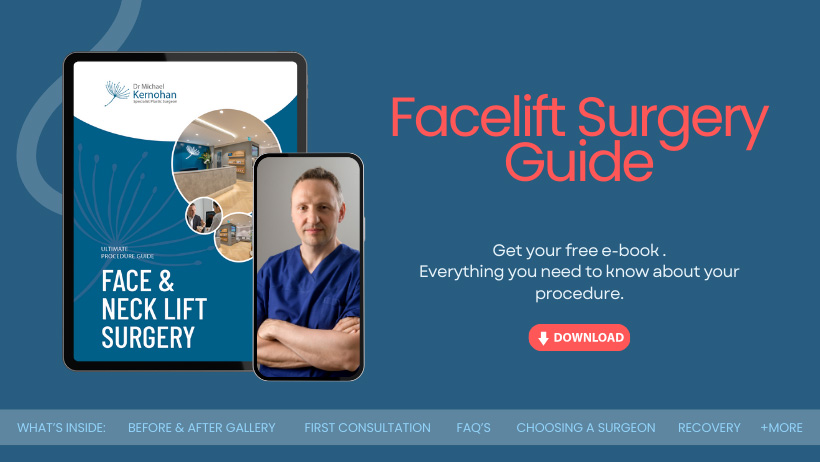
Download Dr Michael Kernohan’s Facelift Surgery Guide
What Steps May Help Reduce Facelift Risks Before Surgery?
Some facelift risks can be reduced through careful preparation, although no operation can be made risk-free. Preparation often focuses on medical review, medication planning, smoking cessation and practical recovery support.
- Stop smoking and avoid nicotine where possible before and after surgery, if advised.
- Review medicines and supplements that may increase bleeding risk.
- Optimise blood pressure, diabetes or other medical conditions with your GP.
- Complete any blood tests, heart tests or anaesthetic reviews requested.
- Arrange time away from work and support at home for early recovery.
These steps do not remove all risks, but they can reduce avoidable problems. Dr Michael Kernohan will provide personalised instructions based on your health and planned procedure.
What Safety Measures Are Used During Facelift Surgery?
Facelift surgery should be performed in an appropriate clinical setting with trained staff and clear systems for managing complications. The facility, anaesthetic care and surgical planning all form part of risk management.
- Accredited operating facilities have systems for monitoring patients during surgery.
- Specialist anaesthetic care is used when general anaesthesia or sedation is required.
- Sterile technique helps reduce infection risk.
- Blood pressure and bleeding are monitored during and after surgery.
- Post-operative instructions help guide recovery at home.
Risk management continues after the operation, not only during the procedure. Dr Michael Kernohan provides follow-up care so healing, swelling, wounds and symptoms can be reviewed.
Facelift Before and After Photo
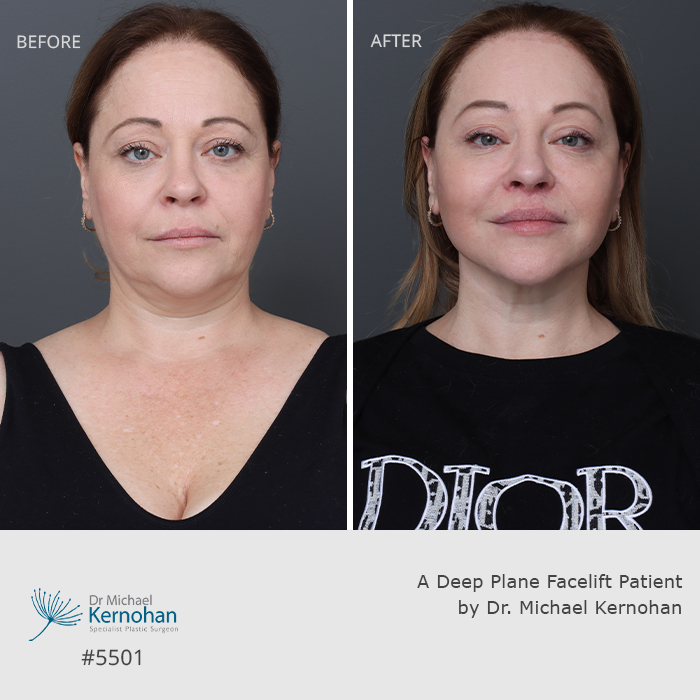
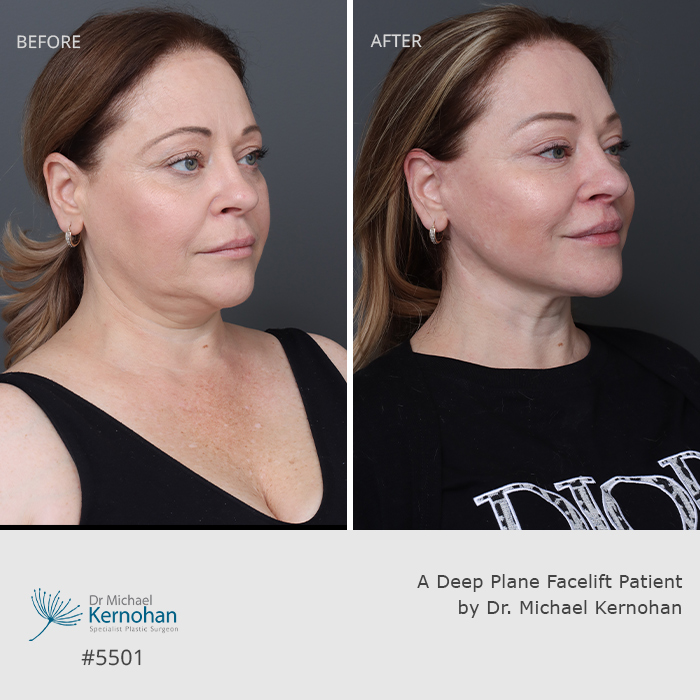
Disclaimer: All surgical or invasive procedures come with inherent risks, and results can vary widely between individuals due to factors like lifestyle, anatomy, overall health, weight, and nutrition. We encourage you to conduct thorough research and consider seeking a second opinion from a qualified healthcare provider.
What Should Patients Do at Home to Reduce Avoidable Risk?
Home care after facelift surgery is an important part of reducing avoidable risk. Following written instructions helps protect healing tissues during the early recovery period.
- Take medicines exactly as prescribed.
- Keep your head elevated if advised by your surgical team.
- Avoid heavy lifting, bending and strenuous exercise until cleared.
- Attend all scheduled follow-up appointments.
- Contact the clinic if wounds become red, hot, painful or start to leak fluid.
Patients should not rely on internet advice or another person’s recovery plan. Dr Michael Kernohan’s team can provide guidance if symptoms or instructions are unclear.
When Should You Seek Help After a Facelift?
Patients should seek help after a facelift if symptoms are sudden, worsening or outside the expected recovery pattern. Early review can help identify bleeding, infection, nerve changes, blood clots or other concerns.
- Seek urgent review for sudden swelling or tightness on one side of the face or neck.
- Seek urgent care for heavy bleeding, chest pain or breathing difficulty.
- Report calf pain or swelling, as this may need urgent assessment.
- Contact the clinic for increasing redness, warmth, discharge or fever.
- Report new or worsening facial weakness or numbness.
It is better to ask early than to wait at home with a concerning symptom. If you cannot reach the clinic and symptoms are serious, attend your nearest emergency department.

Why Do Practitioner Qualifications and Informed Consent Matter?
Across Australia, patients are paying closer attention to cosmetic surgery safety, practitioner qualifications and informed consent. In Sydney and Melbourne, many patients now spend more time checking credentials and planning recovery before deciding on surgery.
- Patients may check whether their doctor is registered with AHPRA.
- Many people look for clear information about risks, recovery and limitations.
- Timing around work, family and study is often part of surgery planning.
- Patients may ask more questions about facility accreditation and anaesthetic care.
- Advertising claims are being viewed more critically by informed patients.
This shift supports more realistic conversations about cosmetic surgery. Dr Michael Kernohan encourages patients to take time, ask questions and understand the full risk profile before making a decision.
Is Facelift Surgery Right for You?
Facelift surgery may be considered when lower-face and neck changes are present and the patient is medically suitable for surgery. Suitability depends on health, anatomy, expectations, recovery capacity and willingness to accept surgical risks.
- You may be suitable if lower-face or neck changes match what a facelift can address.
- You need to be medically fit enough for surgery and anaesthesia.
- You should be able to take time away from work and usual duties.
- Your expectations should match what surgery can reasonably achieve.
- You should understand the risks, scars, recovery and possible need for further treatment.
A personal consultation is needed before deciding whether facelift surgery is appropriate. Dr Michael Kernohan, Specialist Plastic & Reconstructive Surgeon in Sydney, can assess your situation and discuss options.

Facelift Risk FAQs
Taking the Next Step: Talk Through Facelift Risks With Dr Kernohan
If you are considering facelift surgery, understanding risk should be part of the first conversation. A consultation gives you time to discuss your health, anatomy, medicines, expectations and recovery needs.
- Bring a list of your medicines, supplements and allergies.
- Tell the clinic about smoking, nicotine use, blood pressure or diabetes.
- Ask which risks are most relevant to your own situation.
- Discuss recovery time, warning signs and follow-up appointments.
- Take time to consider the information before deciding.
Dr Michael Kernohan, Specialist Plastic & Reconstructive Surgeon in Sydney, can provide personalised information about facelift risks and suitability. Explore his clinic website’s Contact Page and Complimentary Photo Assessment feature to get started. You can bring your questions, medical history and goals, and take the time you need to understand the procedure, possible complications and recovery.
Take the Quiz
Further Reading
- Read Dr Kernohan’s page on Facial Surgery NSW
- Read Dr Kernohan’s Procedure page on Deep Plane Facelift NSW
- Read Dr Kernohan’s Procedure page on Revision Facelift Sydney