
How to Prepare for Surgery: Practical Guidance from Dr Michael Kernohan
Dr Michael Kernohan is a Specialist Plastic & Reconstructive Surgeon based in Sydney. He sees patients from across Sydney, regional NSW and interstate who are planning plastic or reconstructive surgery. Many people think mainly about the day of the operation itself, but what happens in the weeks before surgery can influence safety, comfort and recovery.
Preparation is not just a hospital bag and a set of instructions. It includes your general health, your understanding of the procedure, how your home is arranged, and how your support people are organised. As Dr Michael Kernohan often explains, good preparation allows the surgical and anaesthetic team to manage risks more effectively and gives patients a clearer picture of what to expect before, during and after surgery.
Take the Quiz
Understanding Your Surgery and Your Health
✓ Know your procedure
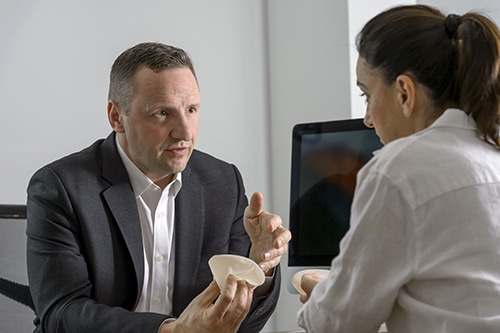
Before surgery, it is helpful to have a clear picture of the procedure you are having, whether it is planned as day surgery or an overnight stay, how long it is likely to take, and what the early recovery period may involve. Dr Michael Kernohan and his team in Sydney will go through this information with you during consultations, and it is reasonable to ask for written information so you can read it again at home.
✓ Risks, benefits and alternatives
Part of preparation is understanding why surgery is recommended, what the potential benefits are, and what the main risks and limitations may be. You should also hear about non-surgical options where they exist, and what might happen if you delay or decide not to proceed. Australian guidelines encourage shared decision-making, where your preferences and goals are considered alongside the medical evidence. Any surgical or invasive procedure carries risks, and you may choose to seek a second opinion from another appropriately qualified health practitioner if you wish.
✓ When you need more information
You are not expected to remember everything from the first appointment. Many patients find it useful to keep a notebook or notes on their phone with questions as they come to mind. At your next visit with Dr Michael Kernohan, you can ask about issues such as time off work, when it is likely to be safe to drive again, what kind of help you may need at home, and what signs should prompt a phone call or review. This simple step can reduce worry and help you feel more organised.
Working With Your GP and Medical Team
✓ GP review and chronic conditions
Your GP plays a key role in preparing you for surgery. A pre-operative review usually includes checking blood pressure, heart and lung health, any history of diabetes, and whether sleep apnoea or heavy snoring might be present. Mental health history is also important, as surgery and recovery can be a demanding period. Health services in Australia recommend that this assessment happens early so that any issues can be addressed before your planned operation.
✓ Medications, allergies and supplements
A complete and accurate medication list is essential. This includes prescription medicines, over-the-counter pain relief or anti-inflammatories, herbal preparations and supplements, and any past drug reactions or allergies. Some medicines, such as blood thinners or certain diabetes medications, may need to be adjusted, replaced or paused before surgery, while others must be continued. You should only make changes under guidance from your GP, anaesthetist and Dr Kernohan’s team.
✓ Smoking, vaping, alcohol and other substances
Smoking, vaping, alcohol and other substances also matter. Nicotine can reduce blood flow to the skin and interfere with wound healing, and higher alcohol intake can affect anaesthetic care and recovery. Being open about these factors allows your team to plan safely. The purpose of these questions is not judgement; it is to reduce risk.
✓ Tests and hospital checks
Depending on your health and the type of operation, you may also need blood tests, an ECG, X-rays or other scans, or more specialised assessments such as sleep studies. These investigations help the anaesthetist and surgeon understand how your body is likely to respond to surgery and recovery.
If you are planning surgery, you can explore your options here: face, nose, breast, body or other procedures.
Everyday Habits Before Surgery: Food, Movement, Sleep and Stress

✓ Eating patterns before surgery
The way you eat, move and rest in the lead-up to surgery can support your body’s ability to heal. You do not need a perfect diet, but many people aim for regular meals that contain a mix of protein, vegetables, fruit and whole grains, with enough fluid intake, especially in warmer Sydney and Melbourne weather. It is usually sensible to reduce alcohol and sugary drinks and to avoid very restrictive or fad diets unless your doctor has recommended a specific medical plan. Where there are complex health issues or cultural and religious food considerations, an accredited practising dietitian can help design an approach that fits your situation.
✓ Movement and general fitness
Gentle movement, as approved by your doctor, can assist your lungs, circulation and strength. For many patients this may be as simple as regular walks, time on a stationary bike, or light strength exercises supervised by a physiotherapist or exercise physiologist. The aim is to stay as active as your health allows, not to start an intense training program at short notice. Better baseline fitness often makes it easier to get out of bed and move safely after surgery.
✓ Sleep, stress and daily routine
Sleep and stress management are also important, especially for people balancing long commutes, shift work or family responsibilities in cities such as Sydney or Melbourne. Trying to maintain a consistent sleep and wake time, reducing screen time before bed, and using straightforward relaxation strategies like gentle stretching or breathing exercises can all help. Planning ahead for appointments, tests and work leave can reduce last-minute rushing and associated stress. As Dr Michael Kernohan often tells patients, preparation needs to fit your real life; a realistic plan is far more likely to be followed than one that depends on everything being ideal.
Getting Your Home and Support Network Ready
✓ Setting up your home
Your home environment can have a large impact on how comfortable and safe you feel after surgery. Before your operation, it is useful to think about where you will sleep, whether you need easier access to a bathroom, and how many stairs you will need to climb in the first few days. Some patients find it easier to temporarily sleep in a room closer to the bathroom or to set up the bed so it is easier to get in and out. Simple items such as non-slip mats, a sturdy chair, or a long-handled sponge can sometimes make daily tasks more manageable.
✓ Choosing a support person
Most people will need some help from a friend or family member, particularly in the early period after surgery. Your support person may need to bring you to hospital, take you home, collect prescriptions, help with meals and provide company while you are less mobile. It is best to talk about this well ahead of time so they can arrange time off work or plan around other responsibilities.
✓ Travelling to Sydney or from interstate
If you are travelling from regional NSW, the ACT or interstate locations such as Melbourne to see Dr Michael Kernohan in Sydney, there are extra details to consider. You may need to arrange travel and nearby accommodation, schedule pre-operative and follow-up appointments on suitable days, and think about where you will obtain balanced meals while you are away from home. After you return, your local GP will often share in your ongoing care, so it helps if all parts of the team have access to the same information.
Download Dr Kernohan’s Cost of Plastic Surgery Guides
The Final Week Before Surgery
✓ Pre-admission clinic or final consultation
In the week or two before surgery, you may be contacted by the hospital or attend a pre-admission clinic, and you may also have a final consultation with Dr Michael Kernohan. During this time, staff will confirm your medical history, medications, allergies and test results, and ensure that consent forms have been completed.
✓ Fasting and medication
You will receive written instructions about fasting, which medicines to take or hold on the day, and what time and where to arrive. If anything in these instructions is unclear, it is important to ask for clarification.
✓ Infection prevention
You may also be given guidance on infection prevention. This can include using a specific antiseptic wash or wipes, not shaving the area yourself, and ensuring any dental or skin infections are treated before elective procedures. These steps are part of standard efforts to reduce the chance of post-operative infection.
As the operation approaches, it is common for questions and worries to resurface. If new symptoms develop, such as fever, a worsening cough or a skin infection near the planned surgical site, you should let the hospital or Dr Kernohan’s clinic know as early as possible, as the team may need to reassess whether it is safe to proceed on the planned date.
The Day Before and Morning of Surgery
✓ What to pack
The day before surgery is often a good time to check your admission time, re-read your instructions, and make sure everything is ready at home for your return. Many patients prepare comfortable clothing that opens at the front or is easy to put on, organise essential toiletries, and ensure that important documents such as photo identification and hospital paperwork are ready to go.
✓ Showering, skin and hair
You will usually be asked to shower either the evening before or the morning of surgery and to avoid creams, moisturisers, deodorant, perfume, makeup or products on the area being operated on. Jewellery, contact lenses and piercings in or near the surgical field may need to be removed. Nail polish or artificial nails are sometimes restricted, particularly on the hands, as staff need a clear view of your circulation and oxygen monitoring. If any of these steps are difficult, you can mention this to the nursing staff on arrival.
✓ Arriving at the hospital
On the day of surgery, hospital staff will confirm your identity and procedure, check your vital signs, review your forms, and, in some cases, mark the surgical site. You will meet the anaesthetist, who will go through your health history, answer questions about anaesthesia, and confirm which medicines you have taken. This is a good time to mention any past anaesthetic experiences, including nausea, prolonged drowsiness, or difficulty with pain relief, so they can plan accordingly.
Emotional Preparation and Expectations
✓ Common feelings before surgery
Feeling nervous or unsettled before surgery is very common. Some people feel anxious about the anaesthetic, others about pain afterwards or how they will manage at home. It can help to acknowledge these feelings and talk about them with trusted family members, your GP or Dr Michael Kernohan. Having clear, written information about what to expect, along with a realistic recovery plan, often makes the experience easier to manage.
✓ Managing nerves
Simple strategies for managing nerves include focusing on the practical steps you have already taken, such as medical clearance, home preparation and organising support. Having a support person with you on the day, using slow, steady breathing, and limiting last-minute online searching can also help. If anxiety feels severe or is affecting sleep or daily functioning, it is important to let your GP or Dr Kernohan’s team know; additional support may be available.
✓ Planning for recovery
Before surgery, you should also have a clear understanding of the expected recovery time, activity restrictions, time off work or study, and scheduled follow-up appointments. Writing this plan down and sharing it with your support people can ensure everyone has the same expectations, which can reduce frustration and confusion during recovery.
A Simple Preparation Checklist
To bring the key steps together, many patients find it helpful to use a single, high-level checklist that they can review with their GP, their surgeon and their support person:
- Confirm that your GP review, necessary tests, medication check and consent forms are complete, and that your health conditions, such as blood pressure, diabetes or lung disease, have been discussed in the context of surgery.
- Make sure your home is arranged for your return, with a suitable place to sleep, easy access to the bathroom, essential items within reach, meals planned or prepared, and a support person organised for transport and early recovery.
- On the day itself, follow fasting and medication instructions exactly as provided, remove jewellery and other items as advised, pack only what you need for hospital, and know who to contact if you become unwell or have questions before you arrive.
Taking Your Next Step with Dr Kernohan
Preparing for surgery is a gradual process that involves your medical team, your home and your support network. It is less about doing everything perfectly and more about taking sensible, planned steps so you can approach the operation as safely and calmly as possible. Dr Michael Kernohan and his team in Sydney work with patients to align surgical planning with individual health needs, family responsibilities and work commitments, whether they live locally in Sydney or travel from areas such as regional NSW or Melbourne.
If you would like to discuss your upcoming surgery, preparation steps or recovery plan with Dr Michael Kernohan, Specialist Plastic & Reconstructive Surgeon in Sydney, you can contact our team via the contact page to arrange an appointment. If you prefer to start with an online review, you can submit images and information through our complimentary photo assessment form, and our team will guide you on possible next steps. From there, you’ll know whether a face-to-face consultation with Dr Kernohan may be appropriate and what the possible next steps could be.