
- Take the Quiz
- Immediate Post-Operative Phase: Day 1 to Day 3
- Early Healing: Days 4 to 14
- Progressive Recovery: Weeks Three to Four
- Download Dr Kernohan’s Abdominoplasty Surgery Guide
- Intermediate Recovery: Weeks Five to Eight
- Long-Term Healing: Months Three to Six
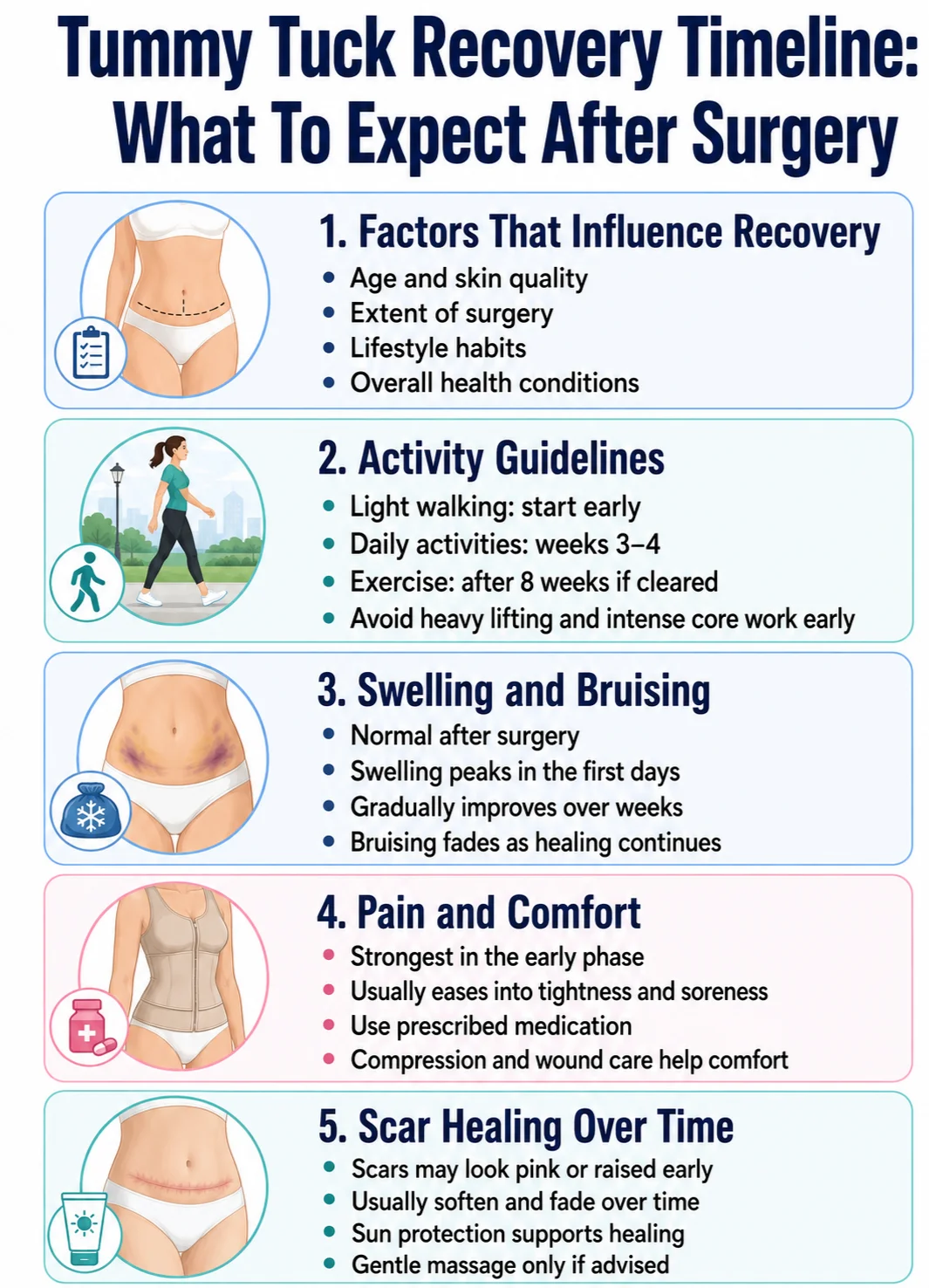
- Factors That Influence Individual Recovery
- Activity Guidelines During Recovery
- Swelling and Bruising: What’s Normal
- Pain Management and Comfort Measures
- Scar Healing and Appearance Over Time
- Warning Signs That Require Medical Review
- Emotional Aspects of Recovery
- Realistic Expectations for Results
- Abdominoplasty Before and After Photos
- When You Can Expect to See Final Contour Results
- Comparing Recovery for Combined Procedures
- Planning Ahead For Your Recovery
- Personalised Support During Healing
- FAQs About Tummy Tuck Recovery Timeline
- Wrapping Up: Healing With Informed Expectations
- Next Step: Book a Consultation to Plan Your Recovery With Confidence
- Further Reading
A tummy tuck (abdominoplasty) is a surgical procedure that reshapes the abdomen by removing excess skin and fat and, where indicated, repairing abdominal muscles. Like any surgery, understanding the recovery process is a key part of planning and setting realistic expectations. Each stage of healing involves distinct changes in swelling, activity tolerance, sensation and gradual tissue settling.
Dr Michael Kernohan, Specialist Plastic & Reconstructive Surgeon in Sydney, emphasises that healing is a gradual physiological process. By knowing what to expect in the days, weeks and months after surgery, patients can navigate recovery more confidently and respond appropriately to changes along the way.
Take the Quiz
Immediate Post-Operative Phase: Day 1 to Day 3
In the first 72 hours after surgery, the body responds to the tissue adjustments and incisions with inflammation and fluid shifts. Most patients experience swelling, bruising and a sensation of tightness across the abdomen. Pain and discomfort can occur, but this is usually managed with prescribed medication and gradually decreases.
During this early phase, rest is important. Walking around gently in short intervals helps support circulation without placing strain on the surgical site. Following your surgeon’s guidance on positioning, such as a slightly flexed posture while resting, assists in minimising tension across incision lines. Nursing support and close monitoring in the first day or two provide added reassurance as the acute phase settles.
Early Healing: Days 4 to 14
Between days four and fourteen, many of the most visible signs begin to improve. Bruising generally transitions through shades of purple, red and yellow as the body resorbs the blood cells, while swelling becomes more localised to the lower abdomen.
During this phase, patients often notice:
- Reduced discomfort compared with the first few days
- Greater mobility for gentle activity
- Continued need to avoid strenuous movement or heavy lifting
Bandages, surgical drains (if used), and compression garments support the early healing process by reducing fluid accumulation and providing gentle support. Follow-up appointments in this window allow your surgeon to assess progress, remove any surgical drains if present, and ensure that healing is progressing as anticipated.
Progressive Recovery: Weeks Three to Four
By the third and fourth week after surgery, swelling typically continues to recede and patients begin to feel more comfortable moving around independently. Most people find they can resume light household activities and gradual walking routines. However, activities that significantly elevate heart rate or strain the abdominal wall should still be avoided or performed only with explicit clearance from your surgeon.
During this period:
- The surgical site feels firmer than usual, but flexibility increases
- Sensation around incision areas may still be altered
- Some attire or adjustments may feel more comfortable as swelling decreases
Many patients elect to return to non-strenuous work or desk-based duties around this stage, depending on their individual healing pace and occupational demands. Communication with your surgeon helps determine safe and appropriate activity levels.
Download Dr Kernohan’s Abdominoplasty Surgery Guide
Intermediate Recovery: Weeks Five to Eight
Between weeks five and eight, most swelling has settled appreciably, and incisions begin to mature. The abdominal profile continues to refine, and the contour becomes more predictable than during the first month. Although the scar lines are still in the early stages of healing, they often become less prominent over time with proper care and protection from sun exposure.
During this intermediate phase, patients may gradually reintroduce more physical activities, such as gentle core engagement or extended walking, provided these are medically cleared. High-impact exercise, heavy lifting, and activities that stress the abdominal muscles are typically postponed until after the eighth week or beyond, depending on clinical guidance. This gradual progression supports deeper tissue healing and helps avoid strain on the surgical repair.
Long-Term Healing: Months Three to Six
Between the third and sixth months, the tummy tuck recovery timeline enters a phase of fine-tuning and internal remodelling. While most swelling has resolved by this point, minor residual swelling can persist, especially with prolonged standing or activity. Many patients describe a feeling of softness returning to the abdominal tissues as deeper layers continue to settle.
Scar tissue also continues to mature over this period. With appropriate scar care, such as gentle massage once incisions are fully healed and protection from the sun, the appearance of scars typically improves gradually. Longitudinal follow-ups during this stage allow your surgeon to assess symmetry, contour progression, and overall satisfaction with healing.
Factors That Influence Individual Recovery
Several factors influence how individuals progress along the tummy tuck recovery timeline. These include:
- Age and skin quality: younger tissues generally respond differently from more mature skin.
- Extent of surgery: procedures that include extensive muscle tightening or combined liposuction may have a slightly longer early recovery period.
- Lifestyle habits: smoking, hydration, nutrition, and sleep quality all influence how efficiently tissues heal.
Underlying health conditions such as diabetes or cardiovascular disease can affect healing dynamics.
Recognising that each person’s response to surgery and healing varies allows for a personalised approach to recovery planning and activity progression.
Activity Guidelines During Recovery
Activity levels evolve with healing, and staged progression supports safe recovery:
- Light walking: encouraged early to support circulation and reduce stiffness.
- Moderate daily activities: generally resumed in weeks three to four, as comfort allows.
Structured exercise: typically introduced after eight weeks, when cleared by your surgeon.
High-impact exercise, heavy lifting, and intense core engagement are withheld until your surgical team confirms that tissues have regained sufficient strength and repair integrity.
Swelling and Bruising: What’s Normal
Swelling and bruising are expected elements of the recovery timeline. Swelling peaks in the first few days after surgery and then progressively declines over the weeks. Bruising fades as your body resorbs blood pigments, usually changing through a range of colours before disappearing.
Understanding that these responses are normal helps patients differentiate between expected healing and signs that may warrant clinical review.
Pain Management and Comfort Measures
Pain after a tummy tuck is generally most pronounced in the early phase and is managed with prescribed medication and gentle comfort measures. As healing progresses, discomfort typically transitions to tightness and mild soreness rather than acute pain.
Wearing compression garments as directed and following wound care recommendations helps reduce discomfort and supports steady healing.
Scar Healing and Appearance Over Time
Scars from a tummy tuck start as visible lines that often appear pink or raised during the early months of healing. Over time, and with appropriate care, these scars tend to soften and fade. Sun protection, gentle massage when advised by your surgeon, and avoidance of irritation all contribute to optimal scar maturation.
Final scar appearance continues to improve over many months, even up to a year or more after surgery.
Warning Signs That Require Medical Review
While most recovery follows an expected trajectory, there are signs that warrant prompt review by your surgical team. These include:
- Rapidly increasing pain not relieved by medication
- Worsening redness, warmth or discharge from incision sites
- Fever or other systemic symptoms
- Unusual swelling or hardness at specific areas
Early communication about concerns supports timely intervention and minimises the likelihood of complications becoming more pronounced.
Emotional Aspects of Recovery
Physical recovery after a tummy tuck occurs alongside emotional adaptation. Some patients feel a sense of relief and satisfaction as contour changes become evident, while others may experience frustration or slow progress due to lingering swelling or discomfort.
Open discussion with your surgeon about healing timelines, combined with realistic expectations, helps support a balanced outlook during recovery.
Realistic Expectations for Results
Visible results evolve over time. While early contour improvements are often noticeable within weeks, the final outcome continues to refine over months. Most people appreciate their abdominal changes most clearly between three and six months after surgery, with ongoing subtle improvements thereafter.
Understanding that visible progression parallels underlying tissue healing helps establish a balanced expectation for both short-term and long-term results.
Abdominoplasty Before and After Photos
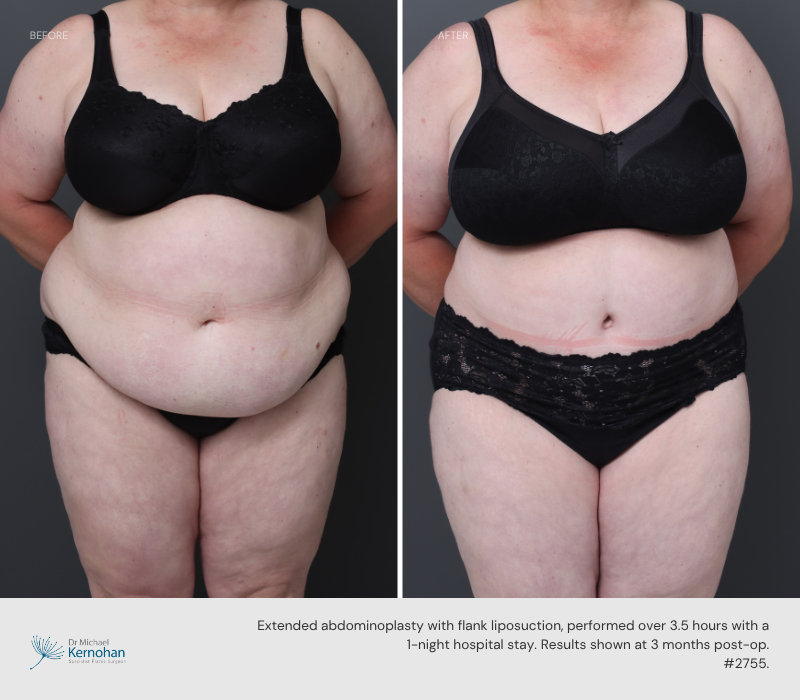
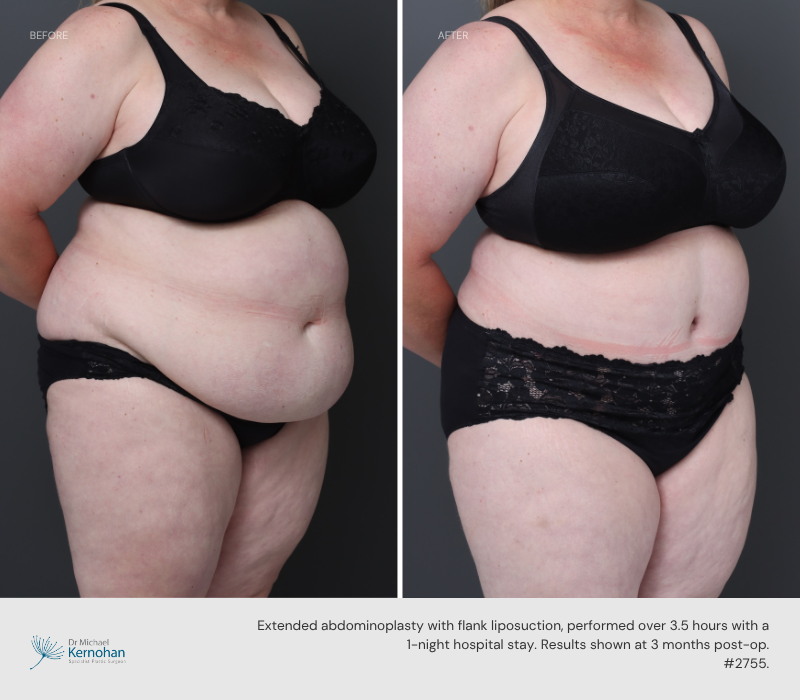
Disclaimer: All surgical or invasive procedures come with inherent risks, and results can vary widely between individuals due to factors like lifestyle, anatomy, overall health, weight, and nutrition. We encourage you to conduct thorough research and consider seeking a second opinion from a qualified healthcare provider.
When You Can Expect to See Final Contour Results
By about six months, most swelling has resolved and scars are maturing. The abdominal contour appears more stable and closer to the long-term result that reflects both surgical change and individual healing patterns.
Patience with recovery and adherence to care recommendations help ensure that the final result aligns with realistic outcomes discussed during consultation.
Comparing Recovery for Combined Procedures
Some patients undergo additional procedures, such as liposuction or muscle repair, along with a tummy tuck. These combined approaches may influence the early recovery period by adding tissue dissection or tightening.
Your surgeon will tailor the recovery timeline and activity progression to account for the combined work, ensuring safety without overly restrictive or unrealistic expectations.
Planning Ahead For Your Recovery
Preparation before surgery supports smoother progression along the recovery timeline. This includes household organisation, arranging support for the first few days, and understanding the phased progression of activity levels.
Patients are encouraged to arrange help with transport, household tasks and childcare, allowing focus on healing without undue physical strain in the early weeks.
Personalised Support During Healing
Dr Michael Kernohan offers structured follow-up and guidance throughout your recovery timeline. Regular clinical review allows tailored advice based on your healing progress, ensuring that care is adapted to your unique response rather than a generic timetable.
Open communication about questions and concerns supports confidence and helps address issues promptly.

FAQs About Tummy Tuck Recovery Timeline
Wrapping Up: Healing With Informed Expectations
A tummy tuck recovery timeline involves distinct phases that move from immediate healing to long-term refinement. Understanding what to expect at each stage – from swelling and activity levels to scar maturation and functional restoration – helps patients approach recovery with clarity and confidence. With personalised guidance from a Specialist Plastic Surgeon like Dr Michael Kernohan, you can navigate each phase of recovery in an informed and supported way, focusing on steady progression and healthy outcomes.
Next Step: Book a Consultation to Plan Your Recovery With Confidence
Choosing to undergo a tummy tuck is a personal decision – and so is preparing for recovery. Dr Michael Kernohan, Specialist Plastic & Reconstructive Surgeon in Sydney, offers tailored guidance before, during and after surgery to help you feel supported at every step. A convenient way to get started is to go to his contact page or send photos for a complimentary assessment. Whether you’re just beginning your research or ready to explore your surgical options, Dr Kernohan and his team are here to provide clarity and personalised advice. A well-informed plan is the first step toward a smoother experience and better outcomes.
Further Reading
- Read more about Belt Lipectomy Sydney
- Read more about Extended Abdominoplasty
- Read more about Monsplasty Surgery NSW
- Read Dr Kernohan’s Blog on How To Manage And Treat Scars After Corset Abdominoplasty
- Read Dr Kernohan’s Blog on Reducing Bruising after Fleur De Lis Surgery
- Read Dr Kernohan’s Blog on How to Sleep After Tummy Tuck/Abdominoplasty Surgery
- Read Dr Kernohan’s Blog on Tips And Timeline For Recovery After Corset Abdominoplasty
When To Combine Tummy Tuck + Liposuction
Dr Michael Kernohan is a Specialist Plastic & Reconstructive Surgeon in Sydney. Abdominoplasty and liposuction…
How to Prepare for Your Tummy Tuck Surgery
Introduction Dr Michael Kernohan is a Specialist Plastic & Reconstructive Surgeon in Sydney. Preparing for…

Abdominoplasty After Weight Loss – What Patients Should Know
Abdominoplasty after weight loss may remove excess abdominal skin and address selected abdominal wall concerns…