
Feeling fatigue or pain after having Breast Implants? – Find out about Breast Implant Illness Symptoms & BII Solutions
- Do you have breast implants?
- Are you worried about specific complications associated with breast implants?
- Interested in finding out more about Breast Implant Illness?
Breast implant illness (BII) refers to a broad range of unexplained symptoms that patients can experience after cosmetic or reconstructive breast surgery using breast implants. Currently, there is a lot of medical research happening but BII is not yet a recognised medical condition and there is no real diagnostic criteria for it.
Dr Michael Kernohan is a renowned specialist plastic surgeon performing breast surgery in Sydney’s Southwest Suburbs and the Southern Highlands. He is an expert in breast surgery and committed to delivering optimal results to his patients. Here he discusses the latest on Breast Implant Illness.
Take the Quiz
What Causes Breast Implant Illness?
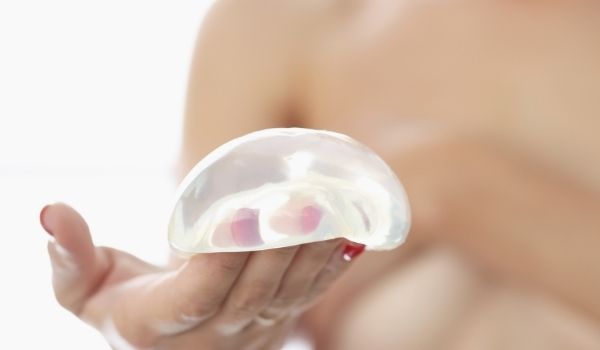
Because medical professionals do not officially recognize BII as an illness, it is difficult to identify the exact cause of this condition. Some patients are predisposed to having an immune reaction to certain materials that are used to create breast implants. This can cause inflammation that leads to various unpleasant symptoms. Recent evidence suggests that substances from breast implants such as silicone and platinum could trigger an immune reaction in some patients. In addition, the immune system can also react to the method of breast implant insertion and other surgical techniques.
Is BII real?
- The FDA, ASERF Medical researchers like Dr Caroline Glickman & Dr Pat McGuire, plastic surgeons, and other medical professionals are conducting studies to determine more about BII – breast implant illness. Some of the recently published studies have shed some light on the matter. A 2019 study published in the Expert Review of Clinical Immunology assessed the role of silicone implants in promoting breast implant illness. Using data derived from patients with breast implant illness and other medically implanted devices, the researchers found a clear pathogenic relationship between silicone breast implants and BII. In addition, they also found that the removal of the implants resolved the associated symptoms in most patients but not all.
Download Dr Michael Kernohan’s Cosmetic Breast Surgery Guide
"*" indicates required fields
Symptoms of Breast Implant Illness
If you have BII, you may experience a wide array of symptoms. The most common symptoms can be categorized into the following:
- Musculoskeletal symptoms: these include pain in the muscles and joints
- Cognitive symptoms: these include fatigue, difficulty concentrating, memory loss, depression, anxiety, sleeping problems, and brain fog
- Systemic symptoms: these include dry eyes, dry mouth, rashes, and vision problems
How do you know if you have BII?
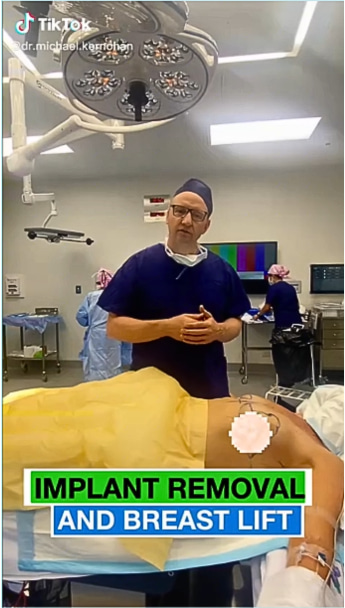
It is hard to say if you really have BII because there are no diagnostic criteria for this condition. If you have breast implants and you experience any of the following symptoms, then you may be suffering from BII:
- Anxiety
- Brain fog
- Depression
- Difficulty concentrating
- Dry eyes
- Dry mouth
- Fatigue
- Joint pain
- Memory loss
- Muscle pain
- Rashes
- Sleeping problems
- Vision problems
How do you know if your body will reject breast implants?
You cannot tell whether your body will reject the breast implants. During your consultation, Dr Kernohan will conduct a thorough assessment of your general health to determine the best type of implant that will suit your body frame, lifestyle, and aesthetic goals.
As with any surgery, there is a chance that you can develop complications. If you experience any of the following signs and symptoms, consult with your surgeon immediately:
- Asymmetry (uneven size, shape, or breast level)
- Bleeding
- Breast sagging
- Capsular Contracture (tightening of the scar tissue around the implant)
- Changes in the sensation of the nipple or breast
- Chest wall deformity
- Collection of blood near the surgical site
- Collection of fluid around the implant
- Dead skin or tissue in the breast area (necrosis)
- Delayed wound healing
- Extrusion (skin breakdown that causes the implant to appear through the skin)
- Hard lumps under the skin around the implant
- Implant leakage or rupture
- Infection
- Injury or damage to the tissues
- Malposition/ displacement of the implant
- Pain in the nipple or breast area
- Poor cosmetic results
- Severe inflammation, redness, irritation, or bruising
- Skin rash
- Swollen or enlarged lymph nodes
- The implant can be felt through the skin
- Thinning and shrinking of the breast skin
- Wrinkling/rippling of the implant

FAQs about Breast Implant Illness
Solutions for Breast Ptosis – Augmentation, Lift or Reduction
Breast ptosis is a medical term that refers to the sagging or drooping of the breasts. It is characterised…

Round Vs Teardrop Implants. What Is the Right Option?
What are the pros and cons of each implant shape? Are you considering getting breast implants surgery? Wondering what…
Should I Have a Breast Lift or Breast Implants?
Choosing Between Breast Lift and Breast Augmentation With advances in cosmetic surgery, you now have various options to alter…