
- Take The Quiz
- What is a Preservation Facelift?
- How is it Different from Traditional Facelifts?
- Download Dr Kernohan’s Face Surgery Guide
- Who Might Consider This Approach?
- What to Expect During and After Surgery
- Facelift Before and After Photos
- Why Dr Michael Kernohan?
- Lifestyle Factors and Trends in Sydney
- FAQs About the Preservation Facelift Procedure
- Book a Consultation
- Further Reading
Dr Michael Kernohan, a Specialist Plastic & Reconstructive Surgeon based in South West Sydney, understands that both women and men explore facial surgery options that prioritise structural balance and personal identity. With increased access to reliable information and a desire for procedures that align with natural facial dynamics, many are considering techniques that offer anatomical support without dramatic alteration.
In a climate where subtlety and anatomical respect are increasingly valued, the Preservation Facelift provides an approach that aligns with the values of patients who want a refreshed look without compromising their unique facial cues.
These individuals are often motivated by personal goals related to age-related facial changes, professional considerations, or social interactions, and are seeking a solution grounded in medical integrity.
Take The Quiz
What is a Preservation Facelift?
The Preservation Facelift is a modern surgical technique designed to reposition and support the facial tissues by preserving the natural ligaments and deeper fat compartments. Unlike older methods that may focus primarily on skin removal, this approach works within deeper tissue planes, maintaining key anatomical structures that contribute to the individual’s appearance.
This procedure respects the natural attachment between facial layers, aiming to provide a refreshed appearance without excessive tightness or change in expression. It prioritises repositioning the deeper layers of the face, such as the Superficial Musculo-Aponeurotic System (SMAS) and retaining ligaments rather than relying on skin tension. This approach often supports more stable results by addressing the foundational aspects of facial structure.
Preservation of facial fat pads also helps to maintain volume in areas such as the midface and nasolabial folds, reducing the need for synthetic fillers or secondary procedures. By conserving these anatomical elements, the Preservation Facelift seeks to enhance the patient’s existing facial integrity while allowing for a natural progression of ageing over time.
How is it Different from Traditional Facelifts?
The Preservation Facelift is based on principles of anatomical conservation rather than tissue excision. Traditional facelifts often involve broader dissection and removal of skin or underlying tissues. In contrast, the preservation technique minimises disruption to facial layers, allowing for repositioning that supports long-term outcomes and natural expression.
- Reduced tissue trauma: By preserving the natural facial architecture, there is less disruption to soft tissues and vascular structures. This can lead to a reduction in post-operative inflammation and a more gradual return to usual appearance.
- Vertical vector lifting: Tissues are repositioned in a more vertical direction, which mimics natural ageing reversal rather than pulling skin sideways. This avoids an unnatural or overly tight appearance, and instead seeks to restore facial contours in alignment with the underlying anatomy.
- Longer-term benefits: Structural repositioning can support results that age more gradually over time. Because the deeper tissues are addressed, outcomes may have greater longevity compared to more superficial techniques.
It is important to acknowledge that this approach may not be suitable for all candidates. For individuals with extensive skin laxity, significant neck changes, or more complex ageing patterns, a more traditional or customised approach might be recommended. During consultation, Dr Michael Kernohan evaluates each individual’s facial anatomy and discusses whether this approach is the most appropriate option.
Download Dr Kernohan’s Face Surgery Guide
Who Might Consider This Approach?
The Preservation Facelift is generally considered by adults between the ages of 20 to 70 who are experiencing visible signs of ageing such as tissue descent in the midface or jawline. Ideal candidates include those with realistic expectations, good general health, and a preference for methods that emphasise retention of their natural facial structure.

This approach may be appropriate for:
- Individuals noticing early to moderate sagging in the cheeks and jawline: These changes can often be addressed effectively with preservation techniques before more advanced ageing requires complex intervention.
- Those concerned with loss of definition without deep wrinkles or significant skin laxity: Patients who retain good skin quality may benefit most from techniques that reposition rather than remove.
- Patients who prefer a more conservative, supportive strategy to facial ageing: Individuals who value anatomical integrity and want to avoid drastic changes in their facial appearance may be drawn to the principles of preservation.
It is equally suitable for both women and men who value maintaining individual facial characteristics while addressing signs of ageing. Patient selection is based on structural assessment and shared decision-making with a qualified health practitioner.
What to Expect During and After Surgery
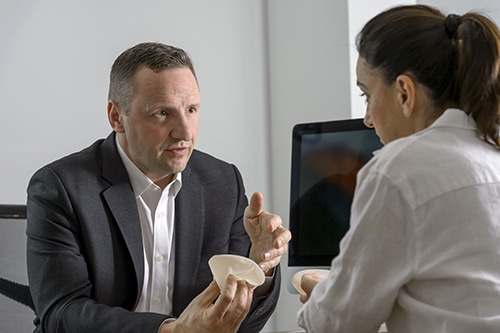
Initial consultations with Dr Michael Kernohan involve a comprehensive review of facial anatomy, personal concerns, medical history, and surgical goals. Clear communication is encouraged so that the procedure is aligned with each patient’s expectations. This stage may include photographs, imaging, and discussion of anatomical changes observed during the consultation.
Surgery is typically performed in an accredited facility under general anaesthesia. The surgical technique involves discreet incisions around the ears and within the hairline, allowing access to deeper tissue layers. These layers are lifted and repositioned vertically, and the skin is then gently redraped without tension.
Post-operative experiences vary, and while some patients may return to normal activities within a few weeks, this depends on individual healing patterns. Dr Kernohan and his South West Sydney team provide detailed aftercare instructions, wound management guidance, and ongoing reviews to ensure proper healing.
Recovery considerations include:
- Avoiding vigorous activities for several weeks: This includes exercise, bending, or lifting, which can increase swelling or delay healing.
- Managing swelling and bruising, which are expected in early phases: Cold compresses and elevation may be advised, and visual changes usually reduce progressively over a few weeks.
- Attending scheduled follow-ups to monitor healing progress: These visits help ensure wounds are healing appropriately and that any complications can be addressed early.
Patient safety, clinical ethics, and individual needs guide every step of the process. The goal is a recovery pathway that supports optimal healing with appropriate support from the surgical team.
Facelift Before and After Photos
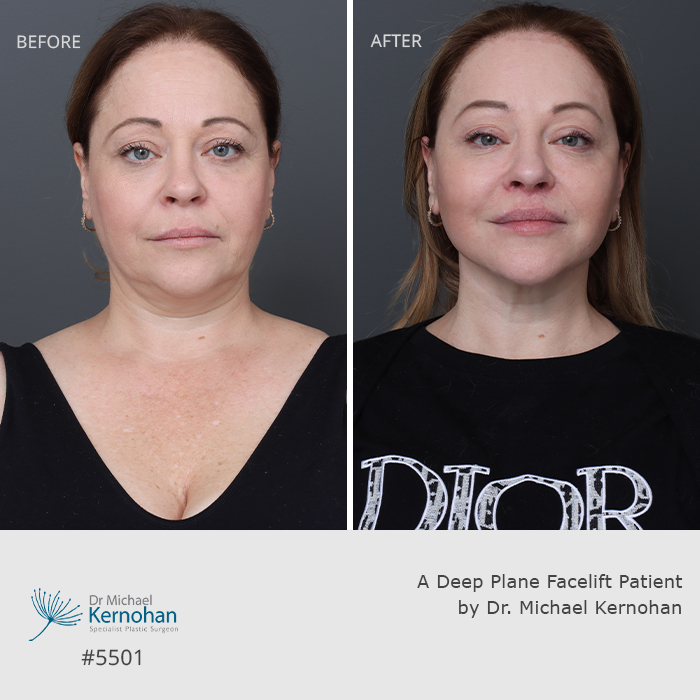
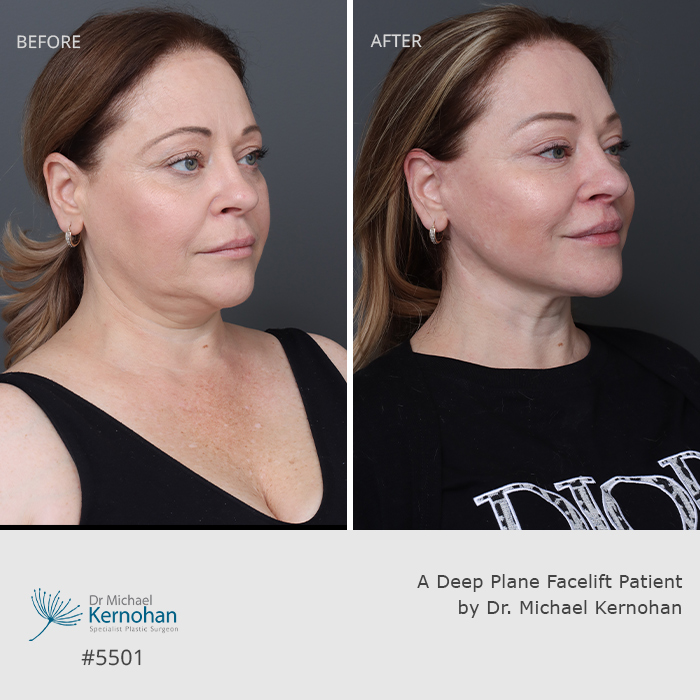
Disclaimer: All surgical or invasive procedures come with inherent risks, and results can vary widely between individuals due to factors like lifestyle, anatomy, overall health, weight, and nutrition. We encourage you to conduct thorough research and consider seeking a second opinion from a qualified healthcare provider.
Why Dr Michael Kernohan?
Dr Michael Kernohan is a Specialist Plastic & Reconstructive Surgeon with practice based in South West Sydney. He is committed to evidence-based surgical care and maintaining the highest standards of clinical practice. His training and experience enable him to provide patients with honest assessments and treatment options that reflect current medical knowledge.
He holds qualifications from recognised Australian institutions and is an active member of professional surgical associations. Dr Kernohan has performed a wide range of reconstructive and aesthetic facial procedures and continues to participate in ongoing surgical education and peer review. He remains current with global best practices and adapts surgical techniques to meet individual needs.

Consultations with Dr Kernohan focus on understanding each person’s facial structure, history, and expectations. The recommended surgical plans are tailored to suit individual anatomy and personal priorities, with a clear explanation of all procedural aspects, benefits, and limitations. Time is taken to educate patients about all available options and what they can realistically expect from surgery.
Lifestyle Factors and Trends in Sydney
Across Melbourne and Sydney, there is growing interest in procedures that retain natural facial expression and support healthy ageing. The Preservation Facelift aligns with this interest by focusing on tissue support rather than surface tension. Patients are increasingly seeking outcomes that align with their natural appearance and social lifestyle, rather than results that signal surgical intervention.
Factors that may influence outcomes include:
- UV exposure: Prolonged sun exposure accelerates collagen breakdown and skin laxity. Patients are advised to use high-SPF sunscreen and wear protective clothing, especially in outdoor or high-altitude settings.
- Smoking: Impairs healing and contributes to premature ageing. Smoking cessation before and after surgery is strongly encouraged to support tissue recovery and reduce the risk of complications.
- General health: Nutrition, hydration, and stress management all play a role in skin quality. A well-balanced diet rich in antioxidants, regular physical activity, and adequate sleep all contribute to improved healing and skin resilience.
Patients are encouraged to incorporate skin care, sun protection, and overall health strategies alongside surgical plans to support longer-lasting outcomes. A holistic approach can help sustain the benefits of a Preservation Facelift well into the future.
FAQs About the Preservation Facelift Procedure

Book a Consultation
If you’re considering a Preservation Facelift and would like to learn more about whether it’s suitable for your facial structure and goals, contact Dr Michael Kernohan’s practice in South West Sydney to arrange a personalised consultation. Your care will be guided by thorough assessment, clinical integrity, and tailored surgical planning based on your individual anatomy and preferences.
Further Reading
- Read Dr Kernohan’s Recovery after Facelift Surgery Sydney
- Read Dr Kernohan’s Blog on What is Involved in a Lower Facelift (Jowl Lift)?
- Read Dr Kernohan’s Blog on What is a Ponytail Facelift?
- Read more about Deep Plane Facelift NSW
- Read Dr Kernohan’s Blog on The History of Facelift Surgery: From Early Techniques to Modern Advances

Cervicofacial Liposuction – When It’s Combined With Facelift Surgery
Introduction Dr Michael Kernohan is a Specialist Plastic & Reconstructive Surgeon in Sydney. Cervicofacial liposuction may be combined with…

Anatomical Layers Of The Face – What Surgeons Work With
Introduction Dr Michael Kernohan is a Specialist Plastic & Reconstructive Surgeon in Sydney. Facelift planning involves more than the…

Facelift Vs Non‑Surgical Tightening: What’s Right For Your Facial Goals
Introduction Dr Michael Kernohan is a Specialist Plastic & Reconstructive Surgeon in Sydney. Facelift surgery and non-surgical tightening are…