
- Take the Quiz
- Understanding What a Tummy Tuck Involves
- Why Credentials and Training Are Essential
- Assessing Surgical Experience and Case Volume
- Download Dr Kernohan’s Abdominoplasty Surgery Guide
- Evaluating Communication and Consultation Quality
- Checking Facility Accreditation and Surgical Setting
- Understanding Risk Management and Safety Protocol
- Comparing Surgeon Philosophies and Approaches
- Looking for Transparent Discussion About Risks
- Tummy Tuck – Abdominoplasty Before and After Photos
- Listening to Patient Experiences With Balance
- Considering Geographic Proximity and Follow-Up Care
- Understanding Pricing in Context
- Questions to Ask During Your Consultation
- Recognising Red Flags During Surgeon Evaluation
- Choosing a Tummy Tuck Surgeon FAQs
- Finalising Your Decision With Confidence
- Further Reading
Undergoing a tummy tuck (abdominoplasty) is a significant decision that can change your body contours and address persistent issues after weight loss, pregnancy, or age-related changes. The choice of surgeon plays a central role in both your surgical safety and the quality of your result. Selecting a qualified, experienced surgeon helps ensure careful planning, appropriate technique selection, structured aftercare, and informed consent.
This article explains how to evaluate potential surgeons, what credentials matter, and how to ask the right questions. It is designed to help you make a well-informed decision that supports safe outcomes and aligns with your anatomical goals. Dr Michael Kernohan, a Specialist Plastic & Reconstructive Surgeon based in Sydney, regularly performs abdominoplasty for a wide range of patients and offers insight into the principles that support thoughtful surgeon selection.
Take the Quiz
Understanding What a Tummy Tuck Involves
Before exploring surgeon selection, it is helpful to understand what a tummy tuck entails. Abdominoplasty is a surgical procedure that removes excess abdominal skin, tightens underlying muscle fascia, and improves abdominal contour. A successful outcome depends not just on removing skin but on reshaping structural tissues and balancing adjacent anatomical regions.
Because this is a structural surgical procedure, it requires:
- A thorough anatomical assessment
- Expertise in soft tissue and musculo‑aponeurotic manipulation
- Understanding of abdominal wall function
- Careful attention to wound closure and scar positioning
These factors underscore why surgeon training and surgical focus are critical. Dr Kernohan incorporates all of these considerations when creating a personalised plan for each patient.
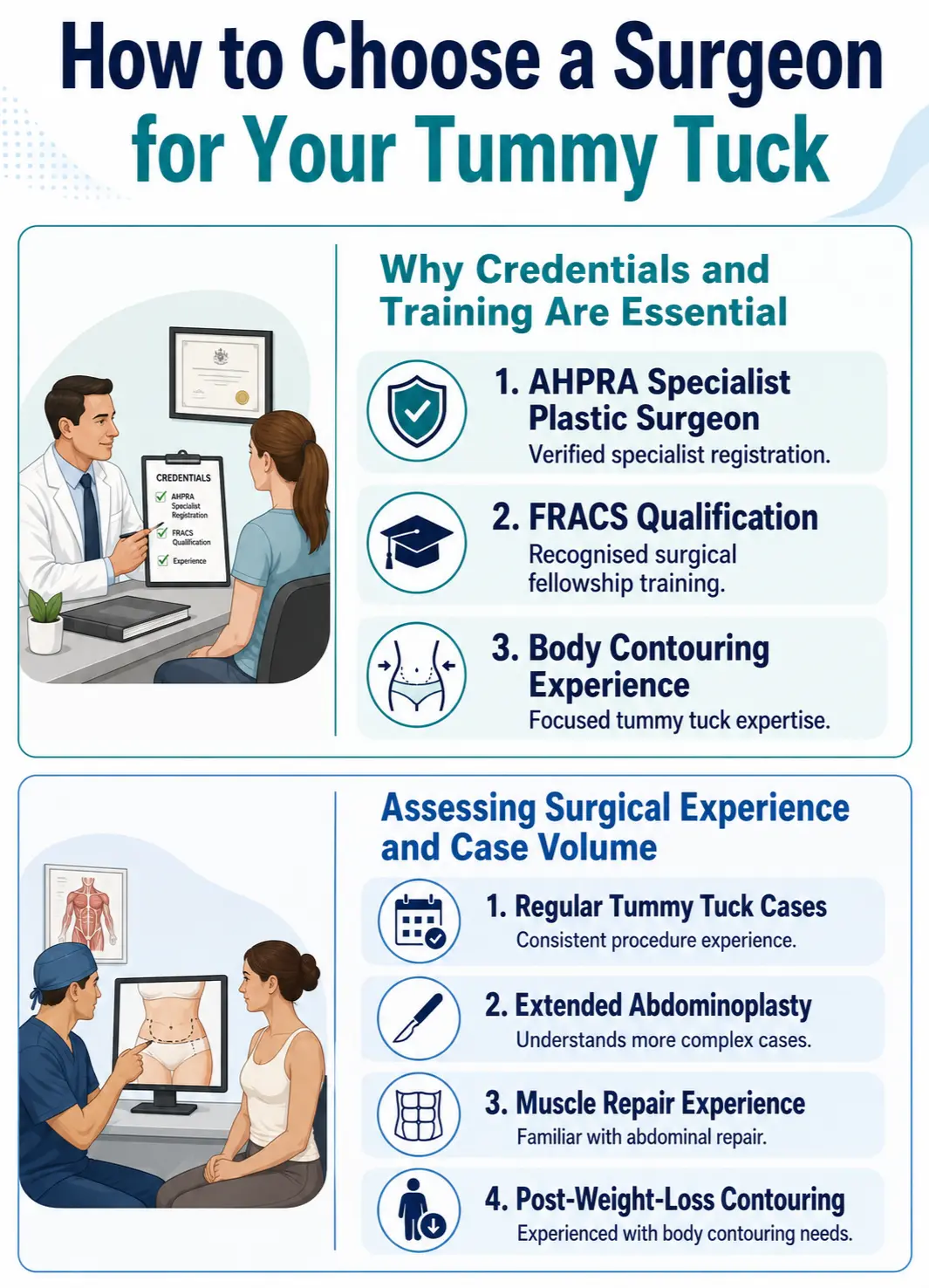
Why Credentials and Training Are Essential
In Australia, not all medical practitioners who offer cosmetic or body contouring procedures have the same level of surgical training. When choosing a surgeon for your tummy tuck:
- Confirm they are registered as a Specialist Plastic Surgeon with AHPRA
- Check that they hold Fellowship with the Royal Australasian College of Surgeons (FRACS)
- Understand whether they have sustained experience in body contouring specifically
A Specialist Plastic Surgeon has completed extensive training in reconstructive and cosmetic procedures, including abdominal surgery within a hospital environment. This training involves rigorous standards for anatomy, peri-operative care, and complication management – all of which are relevant to tummy tucks.
Choosing a surgeon without appropriate specialist credentials increases the risk of suboptimal technique, inadequate planning, or incomplete management of complications. Credentials are not just letters on a website – they reflect structured education and regulatory oversight. Dr Kernohan’s own surgical background includes hospital-based training in general and plastic surgery, along with focused practice in abdominoplasty procedures.
Assessing Surgical Experience and Case Volume
When evaluating surgeons, consider the amount and focus of their tummy tuck experience. Relevant experience includes:
- Number of tummy tucks performed annually
- Experience with variations such as extended abdominoplasty or muscle repair
- Familiarity with post‑weight‑loss body contouring
High volume is not the only measure of competence; a surgeon who sees a steady mix of body contouring cases and regularly updates their practice according to evidence-based techniques demonstrates ongoing engagement with the field.
Experience helps a surgeon recognise anatomical variability, plan for contingencies, and customise technique to individual needs rather than relying on a generic approach. Dr Kernohan’s clinic in Sydney receives a wide range of patients who benefit from this customised approach.
Download Dr Kernohan’s Abdominoplasty Surgery Guide
Evaluating Communication and Consultation Quality
A consultation is not just an appointment – it is a dialogue. A careful and thorough consultation includes:
- Listening to your goals and concerns without rush
- Detailed medical history and physical examination
- Clear explanation of technique options and their implications
- Discussion of realistic outcomes and limitations
- Review of risks and recovery expectations
Be wary of images that appear to exaggerate results through photographic manipulation. Photos should support discussion about realistic outcomes rather than create unrealistic expectations.
It is also appropriate to ask about the surgeon’s role in these cases, including technique used, the extent of muscle repair, and how scars were handled. Dr Kernohan provides access to case examples during consultation to support patient understanding.
Checking Facility Accreditation and Surgical Setting
Tummy tucks should be performed in an accredited surgical facility or hospital setting. These environments follow strict standards for sterilisation, anaesthesia safety, emergency response, monitoring, and staffing.
Before booking surgery, confirm:
- The facility is accredited by recognised health or surgical bodies
- Anaesthesia is administered by a qualified anaesthetist
- Post‑operative care and monitoring are part of the plan
Accredited settings help protect patients by ensuring structured safety protocols and access to immediate care if needed. Dr Kernohan operates in fully accredited hospitals with support teams trained in peri-operative care.

Understanding Risk Management and Safety Protocol
All surgeries carry risk. The way a surgeon assesses and manages risk is a hallmark of their clinical judgement.
A thorough surgeon will:
- Explore your medical history in detail
- Advise on risk factors such as smoking, diabetes, or medication use
- Suggest optimisation strategies before surgery
- Provide a detailed conversation about expected complications and how they are managed
Understanding how a surgeon approaches risk tells you about their prioritisation of safety and personalised care rather than simply presenting a procedural “checklist.” Dr Kernohan prioritises risk assessment and ensures every patient receives tailored preoperative guidance.
Comparing Surgeon Philosophies and Approaches
Surgeons may differ in technique emphasis – some may prioritise limited scars, others muscle repair, and others early return to activity. None of these philosophies are inherently “better,” but it is important that your surgeon’s approach aligns with your goals and that they explain the reasoning clearly.
For example:
- How do they decide on incision length and placement?
- What is their approach to muscle tightening?
- Do they recommend liposuction with abdominoplasty?
- How do they manage patient comfort and recovery?
Your consultation should feel educational rather than persuasive. If your surgeon uses emotional language or promises unrealistic results, this may be a red flag. Dr Kernohan’s focus is on anatomical balance, surgical soundness, and achievable outcomes.
Looking for Transparent Discussion About Risks
A responsible surgeon discusses both common and less common risks in a factual manner. These include:
- Swelling and bruising
- Hematoma or seroma formation
- Changes in sensation or numbness
- Scar healing variability
- Delayed wound healing
This conversation should be clear, neutral and grounded in clinical evidence rather than minimisation or euphemism. You should feel comfortable asking follow up questions and receive answers that address your specific anatomy and concerns.
Tummy Tuck – Abdominoplasty Before and After Photos
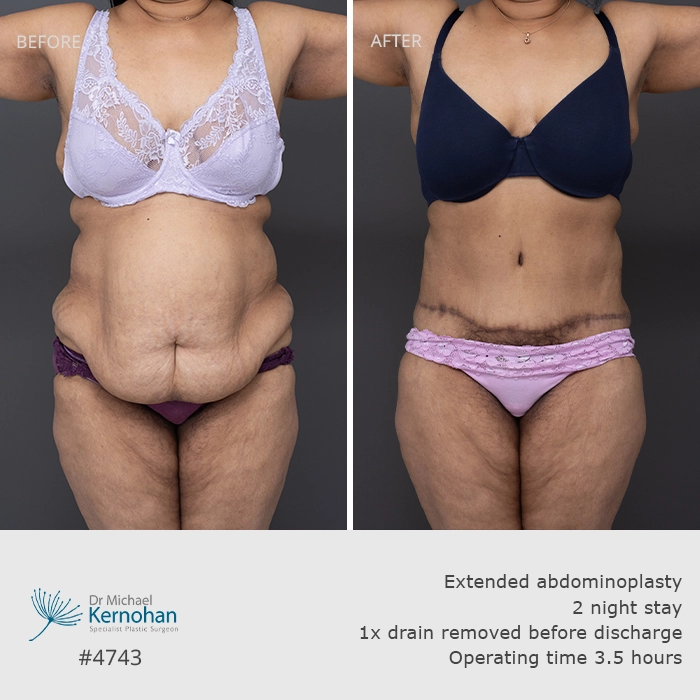
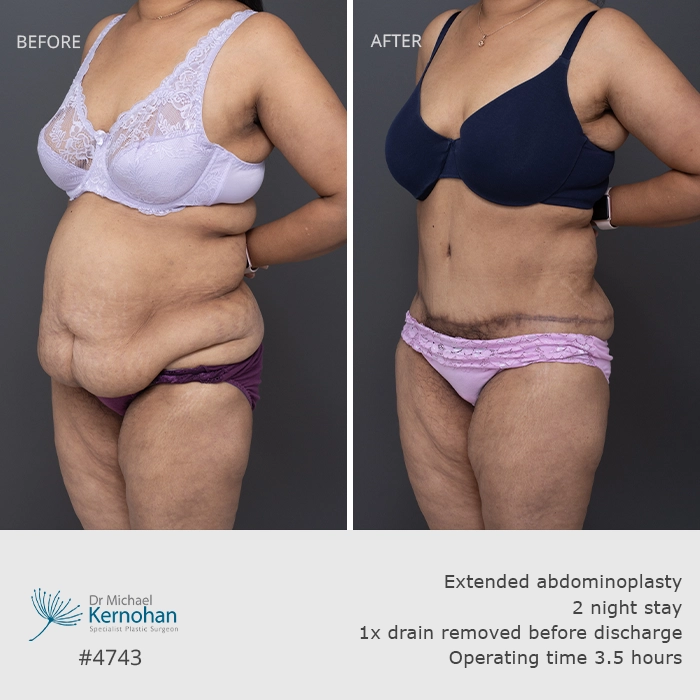
Disclaimer: All surgical or invasive procedures come with inherent risks, and results can vary widely between individuals due to factors like lifestyle, anatomy, overall health, weight, and nutrition. We encourage you to conduct thorough research and consider seeking a second opinion from a qualified healthcare provider.
Listening to Patient Experiences With Balance
Patient reviews and testimonials can offer insight into others’ experiences with a surgeon. However, it is important to interpret these resources carefully, focusing on:
- Comments about communication and care experience
- Discussion of recovery and aftercare
- Consistency of results rather than isolated statements
Avoid assuming that positive reviews guarantee results or that negative reviews reflect universal experience. Use reviews as one component of a broader assessment rather than the sole deciding factor. Dr Kernohan advises patients to consider lived experiences alongside clinical credentials.
Considering Geographic Proximity and Follow-Up Care
Tummy tuck surgery requires not only the day of surgery but follow-up appointments to monitor healing, scar progression and recovery milestones. Choosing a surgeon whose practice supports in-person or coordinated remote reviews helps ensure consistent care throughout your healing journey.
Patients travelling long distances should consider how follow-ups and emergent concerns will be handled with geographic separation. Dr Kernohan’s Sydney practice offers flexible review options and maintains open communication throughout recovery.
Understanding Pricing in Context
Cost is often a consideration, but should not be the primary driver. Fair pricing reflects:
- Facility fees at accredited locations
- Surgeon preparation and personalised planning
- Post‑operative support and follow‑up
- Quality anaesthesia and monitoring
Low fees may reflect a reduction in care components or hidden costs. Conversely, higher fees do not inherently guarantee superior results. The focus should be on value – safety, experience, communication, and outcome consistency.
Questions to Ask During Your Consultation
Here is a helpful list of questions that support informed decision – making:
- Are you a Specialist Plastic Surgeon registered with AHPRA?
- What training and experience do you have with tummy tuck surgery?
- How many tummy tucks do you perform annually?
- What technique would you recommend for me and why?
- Where will surgery be performed and who administers anaesthesia?
- What risks should I specifically consider given my health profile?
- How do you support recovery and follow‑up care?
- Can I see before‑and‑after photos of cases similar to mine?
- What happens if I develop complications or concerns after surgery?
Asking clear, specific questions supports transparency and helps you gauge the surgeon’s communication style and clinical depth.
Recognising Red Flags During Surgeon Evaluation
During your assessment, watch for signs that may indicate less reliable practice, such as:
- Lack of clear credentials or avoidance of discussion about training
- Overuse of promotional language without clinical substance
- Quick consultations that do not explore anatomy or goals
- Limited discussion of risks and realistic outcomes
- Pressure to make an immediate decision
A thorough, patient-centred consultation should feel collaborative and informative, not hurried or sales-driven.

Choosing a Tummy Tuck Surgeon FAQs
Finalising Your Decision With Confidence
Choosing a surgeon for your tummy tuck is a critical step in a safe and effective outcome. Taking time to evaluate credentials, experience, communication, facility standards and approach not only supports surgical success, but also your confidence in the journey.
Dr Michael Kernohan offers comprehensive consultations in Sydney, where patients can explore these considerations with clinical clarity and personalised guidance. Whether you’re in early research or ready to schedule surgery, informed choice supports safer outcomes and greater satisfaction.
Further Reading
- Read more about Belt Lipectomy Sydney
- Read more about Extended Abdominoplasty
- Read more about Upper Body Lift NSW
- Read more about Lower Body Lift Surgery NSW
- Read Dr Kernohan’s Blog on Recovery after Tummy Tuck or Abdominoplasty
- Read Dr Kernohan’s Blog on Will Medicare Cover my Abdominoplasty/ Tummy Tuck?
- Read Dr Kernohan’s Blog on How To Manage And Treat Scars After Corset Abdominoplasty
- Read Dr Kernohan’s Blog on Abdominoplasty Scar Treatment, Healing and Fading

Recovery after Tummy Tuck or Abdominoplasty
Timeline and Tips for Recovery after Abdominoplasty Surgery How much effort is required for recovery…
What is Diastasis Recti? – Split Tummy Muscles
Solutions for Split Tummy Muscles after Pregnancy Diastasis recti also referred to as diastasis rectus…

What is a Good Weight for Tummy Tuck/ Abdominoplasty?
Why you need to be the right weight for Tummy Tuck – Abdominoplasty Surgery –…