
- What Is Fleur De Lis Surgery?
- Take the Quiz
- Why Compression Garments Matter After Surgery
- Download Dr Michael Kernohan’s Abdominoplasty Surgery Guide
- How Compression Garments Help the Body Heal
- When and How Long Should You Wear a Compression Garment?
- Choosing the Right Garment for Your Recovery
- Tips for Wearing and Maintaining Compression Garments
- Fleur – de Lis Abdominoplasty Before and After Photos
- Common Concerns About Compression Garments
- Local Considerations for Sydney Patients
- FAQs About Compression Garments for FDL – Fleur De Lis Surgery
- Closing Thoughts
- Further Reading
After significant weight loss or past abdominal surgeries, some people are left with loose or heavy skin across the midsection. Fleur De Lis surgery is one option that may help address these changes. If you’re having this procedure, one of the most practical parts of recovery is wearing a compression garment – not just for comfort, but for support during healing.
Dr. Michael Kernohan, Specialist Plastic & Reconstructive Surgeon based in South West Sydney, provides personalised care plans for each patient, including specific guidance on compression garments. These garments are not just an accessory but a helpful part of recovery. For patients in Sydney, local lifestyle considerations such as active routines and climate may influence choices around post-operative wear.
What Is Fleur De Lis Surgery?
Fleur De Lis surgery is designed to remove excess abdominal skin in both a vertical and horizontal direction. This technique is particularly effective for individuals who have experienced significant changes in weight, often due to bariatric surgery or health-focused lifestyle changes.
The procedure aims for a smoother abdominal contour, but it is not performed for aesthetic reasons alone. Many patients pursue it to improve physical comfort, reduce skin irritation, or allow better fit for clothing. Dr. Michael Kernohan explains that each case is carefully assessed, especially considering the unique anatomical and healing factors relevant to the individual.
Take the Quiz
Why Compression Garments Matter After Surgery
Compression garments are commonly recommended after abdominal procedures like Fleur De Lis surgery. They provide light, steady pressure to support healing tissues, manage swelling, and ease discomfort during movement.
In the early weeks after surgery, your abdominal area will be sensitive and working hard to recover. Wearing a properly fitted garment can help reduce tension on the wound, support your core, and make everyday actions – like standing, walking or coughing – a little easier.
At Dr Kernohan’s South West Sydney clinic, compression garments are included as part of each patient’s recovery planning. You’ll be shown how to wear it properly and advised on how long to use it as your healing progresses.
Download Dr Michael Kernohan’s Abdominoplasty Surgery Guide
How Compression Garments Help the Body Heal
Wearing a compression garment helps reduce post-operative swelling, one of the most common side effects of abdominal procedures. By applying gentle pressure, it limits fluid build-up and improves circulation in the treated area.
The garment also acts as a support brace for the healing tissues. With the abdomen being a core area involved in nearly all movement, external support can ease strain during daily activities like sitting, walking, or coughing.
Patients also report that wearing a well-fitted garment improves their sense of security during recovery, offering reassurance that healing tissues are protected.

When and How Long Should You Wear a Compression Garment?
Generally, patients are advised to wear their compression garments for at least 4 to 6 weeks after surgery. In some cases, Dr. Michael Kernohan may recommend a longer period based on the patient’s recovery progress.
Initially, the garment is worn around the clock, only removed for short periods such as during bathing or washing the garment. As healing progresses, wear time may be gradually reduced, as advised during follow-up appointments.
Dr. Kernohan encourages patients to remain consistent with garment use, as it can directly influence the healing outcome and overall recovery comfort.
Choosing the Right Garment for Your Recovery
Finding the right garment is essential. It needs to provide adequate compression while being comfortable for extended wear. Breathable materials, seamless construction, and adjustable closures can make a big difference.
The fit should be snug but not restrictive. A garment that is too tight may cause discomfort or hinder blood flow, while a loose one may not provide the needed support. Dr. Michael Kernohan and his team in South West Sydney guide patients in selecting options that suit their body type and surgical plan.
In Sydney, patients may also need to consider seasonal changes. A lighter material may be preferred during warmer months to reduce the risk of overheating.
Tips for Wearing and Maintaining Compression Garments
To get the most benefit, it’s important to wear the garment exactly as instructed. That means keeping it on throughout the day and night, except when showering or during brief, approved breaks.
Garments should be washed regularly to maintain hygiene. Most patients choose to have a second garment for ease of rotation. Keeping the skin dry and clean under the garment also helps avoid irritation.
Check your skin daily for any signs of pressure marks or rashes. If anything seems unusual, Dr. Kernohan advises reaching out to your surgical team.
Fleur – de Lis Abdominoplasty Before and After Photos
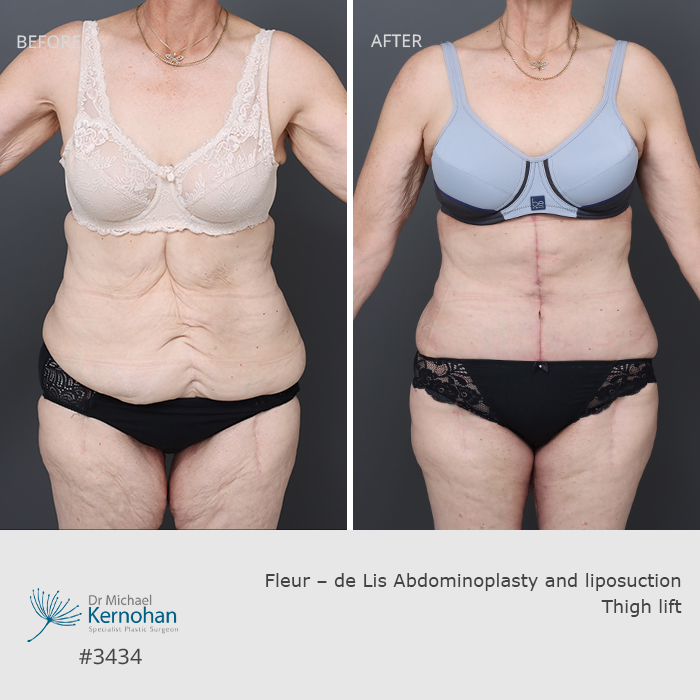

Disclaimer: All surgical or invasive procedures come with inherent risks, and results can vary widely between individuals due to factors like lifestyle, anatomy, overall health, weight, and nutrition. We encourage you to conduct thorough research and consider seeking a second opinion from a qualified healthcare provider.
Common Concerns About Compression Garments
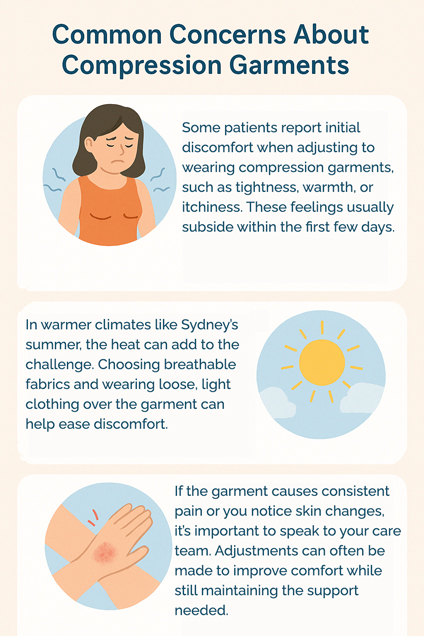
Some patients report initial discomfort when adjusting to wearing compression garments, such as tightness, warmth, or itchiness. These feelings usually subside within the first few days.
In warmer climates like Sydney’s summer, the heat can add to the challenge. Choosing breathable fabrics and wearing loose, light clothing over the garment can help ease discomfort.
If the garment causes consistent pain or you notice skin changes, it’s important to speak to your care team. Adjustments can often be made to improve comfort while still maintaining the support needed.
Local Considerations for Sydney Patients
Sydney’s climate can shape how you feel during recovery. On warmer days, compression garments may feel uncomfortable or heavy, while cooler weather may call for layering. Choosing lightweight, breathable options and planning short breaks in air-conditioned spaces can help you stay more comfortable.
Dr. Michael Kernohan works with patients from Sydney and South West Sydney to personalise garment advice. This includes suggestions on fabric choices and how to stay comfortable throughout different seasons.
Planning daily activities around periods of rest and ensuring you’re not overheating during warmer spells are simple steps that make recovery easier.
FAQs About Compression Garments for FDL – Fleur De Lis Surgery

Closing Thoughts
Wearing your compression garment as instructed is a simple step that can make a big difference to how your body recovers.
It’s not always easy – especially in warmer months or during busy days – but sticking to your plan helps support your body and reduce complications like fluid build-up or tension on your wound.
At his South West Sydney clinic, Dr Kernohan and his team focus on every stage of recovery – not just the procedure itself. If something doesn’t feel right, or if your garment becomes uncomfortable, they’re here to help adjust and guide you through it.
Further Reading
- Read more about Abdominoplasty Scar Treatment, Healing and Fading
- Read more about Recovery after Tummy Tuck or Abdominoplasty
- Read more about Will Medicare Cover My Fleur De Lis Surgery?
- Read more about Reducing Bruising after Fleur De Lis Surgery
- Read more about How to Manage and Treat Fleur De Lis Scars
Tummy Tuck Scarring: What Patients Should Understand
A tummy tuck (abdominoplasty) reshapes the abdomen by removing excess skin and, in many cases, tightening underlying muscle. Because…

Tummy Tuck Recovery Timeline: What To Expect After Surgery
A tummy tuck (abdominoplasty) is a surgical procedure that reshapes the abdomen by removing excess skin and fat and,…

Surgery for Muscle Separation Repair After Pregnancy
Pregnancy causes dramatic changes in the abdominal wall as the uterus expands, stretching the muscles of the abdomen to…