
- Are You Ready for Surgery? Find Out
- Understanding Bodylift Recovery
- Download Dr Kernohan’s Excess Skin Reduction Guide
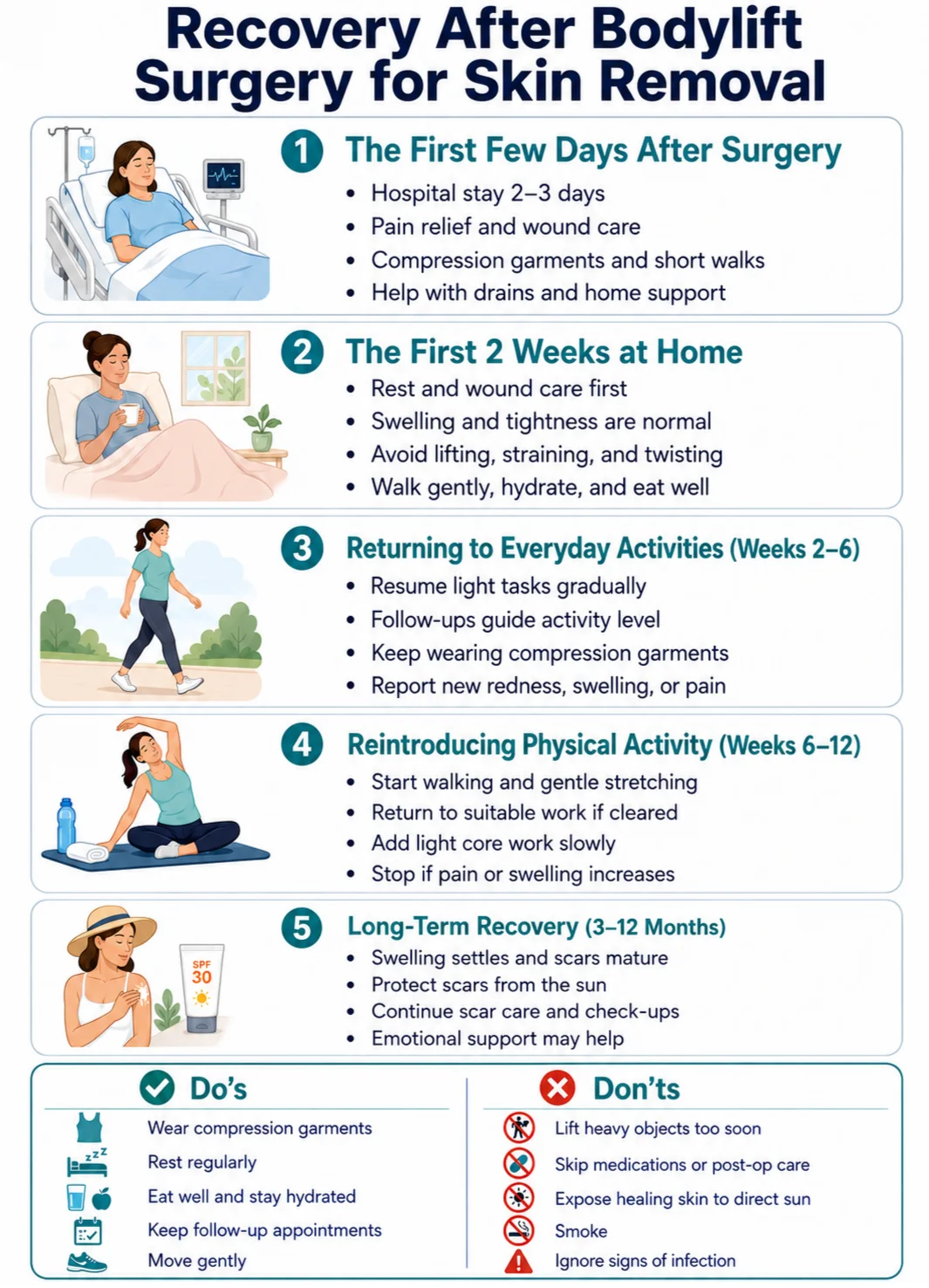
- The First Few Days After Surgery
- The First 2 Weeks at Home
- Returning to Everyday Activities (Weeks 2–6)
- Reintroducing Physical Activity (Weeks 6–12)
- Long-Term Recovery (3–12 Months)
- Abdominoplasty Before and After Photos
- Do’s and Don’ts During Recovery
- Support Systems and Follow-up
- Sydney Trends: Planning for Recovery
- FAQs About Recovery After Bodylift Surgery
- Closing Thoughts
- Further Reading
Bodylift surgery can help remove excess skin following significant weight loss or changes in body shape. For many people in Sydney considering this procedure, recovery is a key part of the journey. Dr. Michael Kernohan, a Specialist Plastic & Reconstructive Surgeon based in South West Sydney, helps patients navigate this process with careful planning and professional care.
Recovery is not a one-size-fits-all experience. It involves different stages, and knowing what to expect can make the process smoother and less stressful.
Many patients in Sydney choose this surgery for practical reasons – improved mobility, clothing fit, and hygiene. Being prepared for the recovery process can help individuals plan around work, family responsibilities, and other lifestyle factors.
Are You Ready for Surgery? Find Out
Understanding Bodylift Recovery
A bodylift involves surgery to remove loose or overhanging skin, often from the lower torso or upper thighs. After the surgery, your body needs time to heal.
Dr. Michael Kernohan emphasises that recovery is a gradual process. Healing happens over weeks and months, and each person’s experience is different. It’s important to follow the personalised guidance provided to you.
Understanding recovery also means recognising the emotional aspects. Patients may feel frustrated with the pace of healing or changes in appearance. Being informed and supported can ease these concerns.
Patients often have pre-surgery consultations with Dr. Kernohan to learn about what to expect during recovery. This helps set realistic expectations and means appropriate support is arranged ahead of time.
Download Dr Kernohan’s Excess Skin Reduction Guide

The First Few Days After Surgery
Most patients stay in hospital for two to three days after their bodylift. During this time, you will be closely monitored for signs of discomfort, swelling, or bleeding. Pain relief and wound care will be part of your daily routine.
Dr. Kernohan often uses compression garments to help reduce swelling and support the treated areas. Gentle movement, such as walking short distances, is encouraged to improve circulation.
During this period, nursing staff and your surgical team will help you manage drains (if used) and explain how to care for your wounds at home. This early stage is about stabilising your condition and preparing you for discharge.
Family or friends may need to assist with transport and early care at home. It is a good idea to have support in place before your surgery to help with the transition.
The First 2 Weeks at Home
Once home, your focus should be on rest and wound care. Swelling, bruising, and a feeling of tightness are all normal. Dr. Michael Kernohan provides clear instructions on how to care for surgical dressings and drains if they are in place.
You’ll be advised to avoid lifting, straining, or twisting your body. Short, gentle walks around the house can help your body start to regain strength.
You may find sleeping a little uncomfortable in the early days. Propping yourself up with pillows or using a recliner can reduce strain on the surgical areas. It’s also important to stay well hydrated and eat nourishing meals.
Patience is essential. Even though pain and fatigue may improve gradually, pushing your body too soon can lead to complications or delays in healing.
Returning to Everyday Activities (Weeks 2–6)
As your body continues to heal, you may start to feel more mobile. Many patients can do light household tasks and begin easing back into a daily routine. Dr. Kernohan often assesses each patient during follow-ups to see if they are ready for certain activities.
Nourishing foods, plenty of water, and good sleep support healing. If you notice unusual symptoms, such as new swelling, redness, or increased pain, contact your care team promptly.
By this stage, patients often begin to feel more independent, although lifting, bending, and vigorous movements should still be avoided. Wearing your compression garments consistently during this period is important to help manage swelling.
Some people in Sydney find it useful to plan flexible work arrangements, such as reduced hours or working from home during this recovery window. Discussing your recovery plan with your employer ahead of time can be beneficial.
Reintroducing Physical Activity (Weeks 6–12)
By this stage, many people are ready to try light physical activity, such as walking outside or gentle stretching. If your job does not require heavy lifting or strenuous movement, you may be able to return to work.
Dr. Michael Kernohan will guide you on when and how to resume your usual physical activities. Following his advice helps prevent setbacks and supports long-term results.
Many patients also start gentle core and flexibility exercises under guidance. These activities should not cause discomfort and must be introduced slowly. Avoid swimming or high-impact sports unless your surgeon has cleared you.
Patients should also monitor how their body feels during activity. Pain, fatigue, or swelling after exercise may be signs of overdoing it. Tracking your progress can help you stay within safe limits.
Long-Term Recovery (3–12 Months)
It can take several months for swelling to fully settle and scars to mature. During this time, continue caring for your skin and surgical areas. Protecting your skin from sun exposure is important to avoid darkening scars.
Maintaining a steady weight and staying active (once cleared by your surgeon) can help maintain the outcome of your bodylift. Dr. Kernohan continues to see patients through long-term check-ups to confirm they’re healing well.
Scar care may involve topical treatments, massage, or silicone-based products. Each patient receives specific advice from Dr. Kernohan to suit their needs and skin type.
Emotional well-being is also part of long-term recovery. Patients may benefit from support groups, counselling, or simply connecting with others who’ve had similar procedures.
Abdominoplasty Before and After Photos
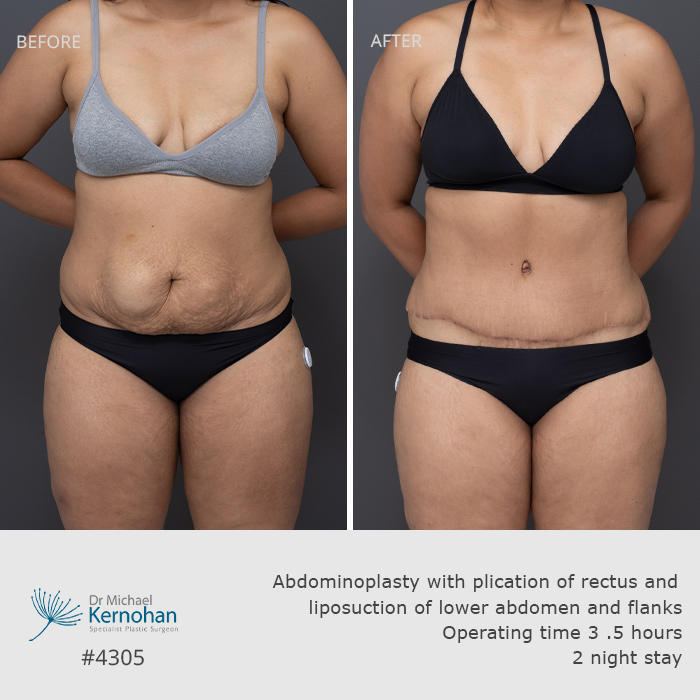

Disclaimer: All surgical or invasive procedures come with inherent risks, and results can vary widely between individuals due to factors like lifestyle, anatomy, overall health, weight, and nutrition. We encourage you to conduct thorough research and consider seeking a second opinion from a qualified healthcare provider.
Do’s and Don’ts During Recovery
Do:
- Wear compression garments as instructed.
- Rest regularly, especially in the first few weeks.
- Eat a balanced diet and stay hydrated.
- Keep follow-up appointments with Dr. Kernohan.
- Move gently to improve blood flow.
Don’t:
- Lift heavy objects or do strenuous exercise too soon.
- Skip medications or post-operative care steps.
- Expose healing skin to direct sun.
- Smoke, as it can interfere with healing.
- Ignore signs of possible infection.
In addition to these basics, Dr. Kernohan advises patients to prepare a comfortable space at home ahead of surgery. Having easy access to water, medications, and entertainment can make recovery more manageable.
Avoid comparing your recovery to others. Each person’s healing timeline is different. Open communication with your care team can help you feel more confident.
Support Systems and Follow-up
Recovery is not just about your body – it’s also about having support. Having help at home, especially in the early days, can make a big difference.
Dr. Michael Kernohan and his South West Sydney team offer ongoing care throughout the recovery period. Regular appointments allow him to track your progress and respond to any concerns. His aim is to support your healing in a safe and realistic way.
Friends and family can be involved in practical care – helping with meals, driving to appointments, and offering emotional encouragement. It’s helpful to discuss your care needs with them before surgery.
If you are travelling from Sydney for surgery, planning your stay in South West Sydney to include nearby accommodation and easy transport can reduce post-surgical stress.
Sydney Trends: Planning for Recovery
Many Sydney patients choose to schedule bodylift procedures in cooler months. This helps make wearing compression garments more comfortable and allows more time indoors for rest.
Planning your recovery around work and family life is important. Some people choose to travel to South West Sydney for Dr. Kernohan’s care, so considering travel time and post-operative accommodation can help.
Sydney’s healthcare landscape includes many patients who undergo major body surgeries after weight loss. Patients often share their stories in local forums or support networks, which can help others prepare emotionally for recovery.
Considering public transport or booking private transport services for post-operative travel can also ease logistical concerns, especially in the first few weeks.

FAQs About Recovery After Bodylift Surgery

Closing Thoughts
Recovery after a bodylift requires time, patience, and the right support. With guidance from Dr. Michael Kernohan, Specialist Plastic & Reconstructive Surgeon in South West Sydney, many patients are able to recover steadily and safely.
If you’re in Sydney and considering this procedure, knowing the recovery process is an important step. Reach out for professional advice tailored to your needs and circumstances.
Recovery is a journey – take it one step at a time, with support and understanding along the way.
Further Reading
- Read more about Upper Body Lift NSW
- Read more about Lower Body Lift Surgery NSW
- Read more about Medicare for Body Lift Surgery to Remove Excess Skin

Best Garments For Upper Body Lift Surgery
As a Specialist Plastic & Reconstructive Surgeon in South West Sydney, Dr Michael Kernohan guides patients through all stages…

How to Prepare for Body lift Surgery to Remove Excess Skin
Preparing for bodylift surgery is a step that requires clear planning and practical insight. Dr. Michael Kernohan, a Specialist…
Recovery After Bodylift Surgery for Skin Removal
Bodylift surgery can help remove excess skin following significant weight loss or changes in body shape. For many people…