
- Take The Quiz
- Understanding The Purpose Of Post-Surgical Garments
- Breast and Body Combination Before and After Photos
- Types Of Garments Used After Upper Body Lift Surgery
- Features To Look For When Choosing Garments
- When And How Long To Wear Your Garments
- Tips For Comfort While Wearing Garments
- Youtube Video: Dr Kernohan Explains Body Lift Surgery (click the image to watch the video on Youtube)
- Caring For Your Garments
- Do’s And Don’ts For Garment Use After Upper Body Lift Surgery
- Local Lifestyle Considerations In Sydney
- FAQs About Garments For Upper Body Lift Surgery
- Final Thoughts
- Ready To Find The Right Fit?
- Further Reading
As a Specialist Plastic & Reconstructive Surgeon in South West Sydney, Dr Michael Kernohan guides patients through all stages of upper body lift surgery, including garment selection. Wearing the right garments can help support healing, reduce swelling, and amplify comfort during recovery. Post-operative compression garments are not just accessories – they are integral components of the recovery process, helping the body adjust and heal more predictably.
Patients often underestimate how critical the post-surgical phase is. Garments assist by stabilising tissues, reducing fluid buildup, and supporting the shape of the body after surgery. Dr Kernohan works closely with each patient to confirm their recovery garments are suitable for their specific surgical plan and lifestyle, especially within the Sydney climate.
Take The Quiz
Understanding The Purpose Of Post-Surgical Garments
Post-surgical garments are essential in supporting healing tissues after an upper body lift. The body undergoes significant changes during surgery, including tissue repositioning and removal of excess skin. These garments apply gentle, consistent compression that encourages circulation and reduces post-operative swelling, while also helping the skin conform to the new contours of the body.
After an upper body lift, the healing process can be influenced positively by well-fitting compression wear. These garments also protect incision sites from irritation, limit excessive movement that could delay healing, and provide overall comfort. Dr Kernohan tailors garment recommendations based on each patient’s unique surgical needs and body type.
Different surgical combinations, such as brachioplasty with upper back lift or extended arm contouring, may require more comprehensive coverage. This is why one-size-fits-all approaches do not work. Dr Kernohan’s guidance is grounded in anatomical accuracy and patient experience.
Breast and Body Combination Before and After Photos
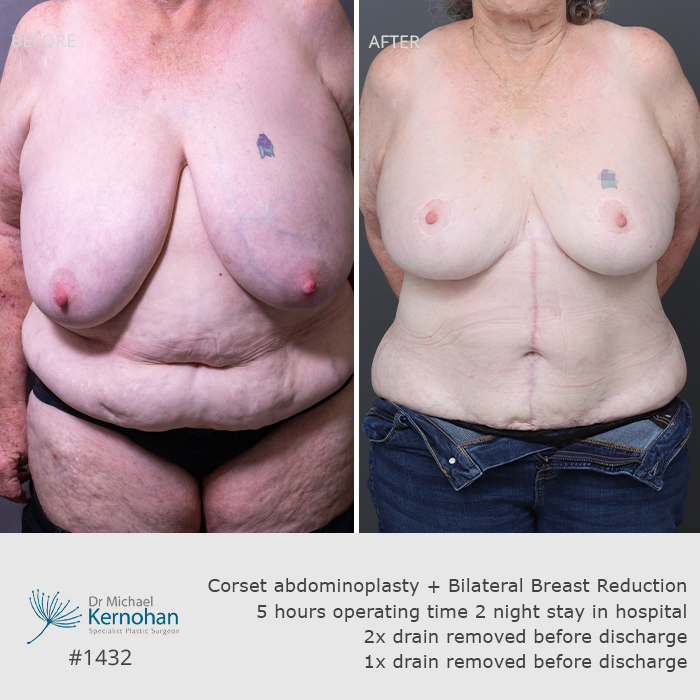
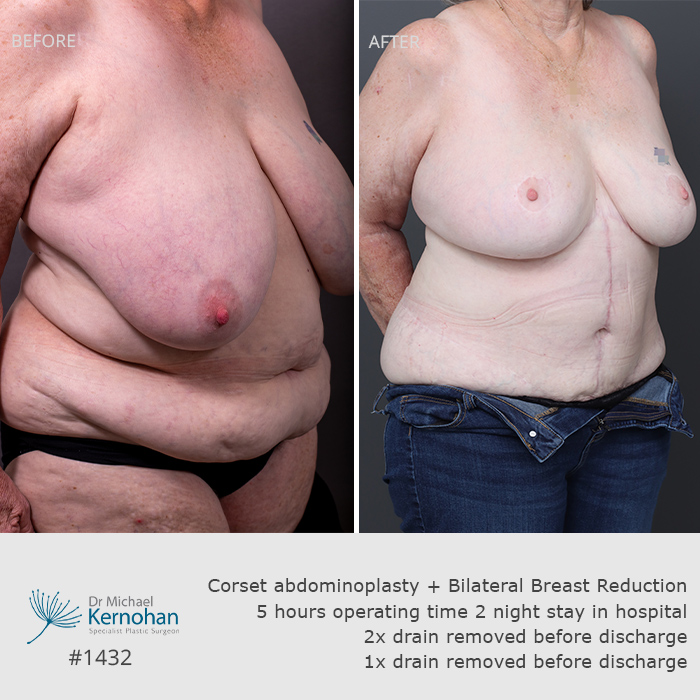
Disclaimer: All surgical or invasive procedures come with inherent risks, and results can vary widely between individuals due to factors like lifestyle, anatomy, overall health, weight, and nutrition. We encourage you to conduct thorough research and consider seeking a second opinion from a qualified healthcare provider.
Types Of Garments Used After Upper Body Lift Surgery
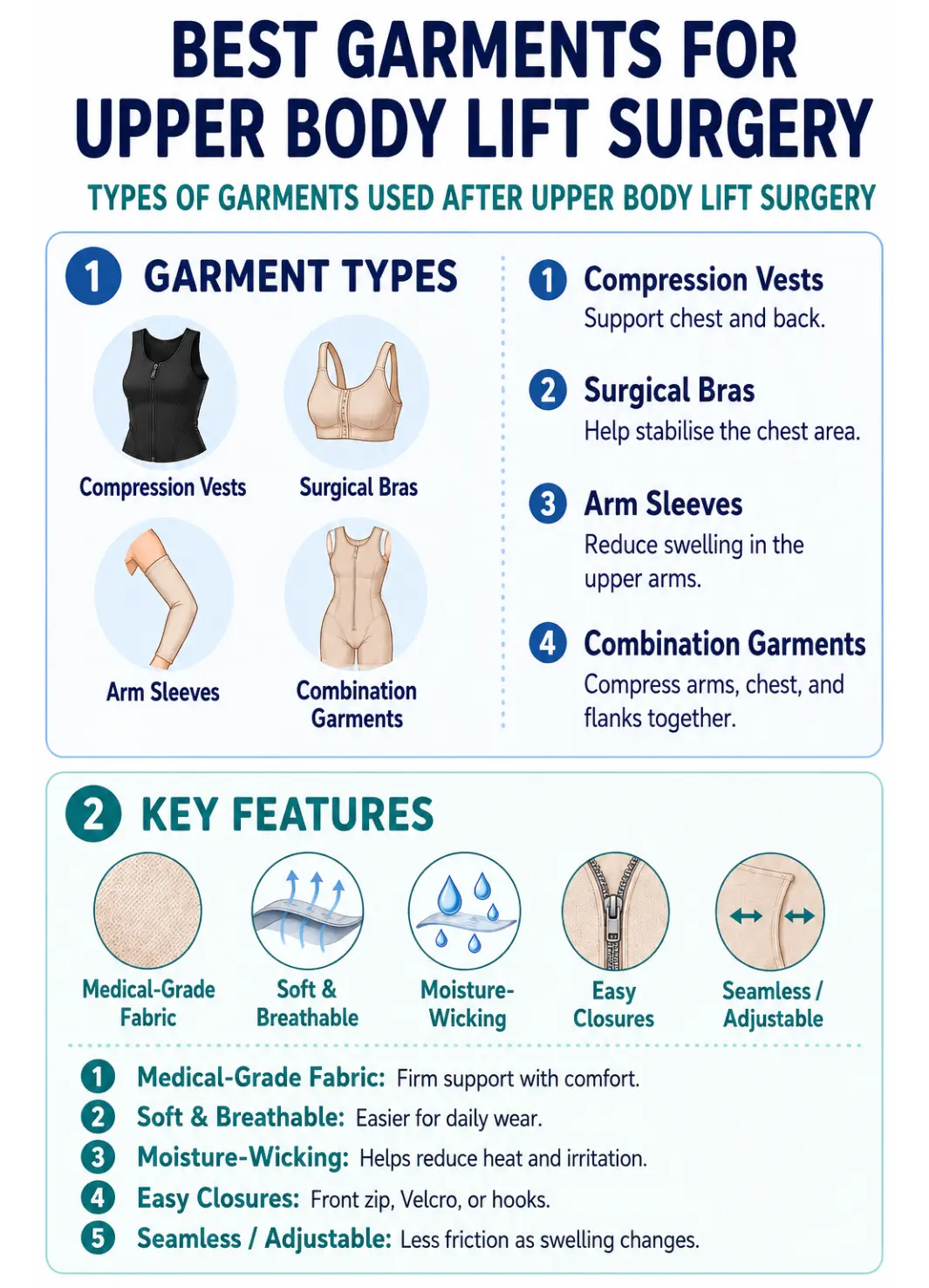
Upper body lift surgery frequently includes procedures across the upper arms, chest, lateral chest wall, and upper back. As a result, the types of garments used must correspond with the scope of the procedure. Dr Kernohan provides guidance on appropriate garments during your pre-operative and early post-operative appointments.
Compression vests and surgical bras are often used to support the chest and back, while specially designed arm sleeves help reduce swelling along the upper arms. In cases where multiple areas are addressed in a single operation, patients might wear combination garments that offer targeted compression to the arms, flanks, and chest.
These garments are designed with medical-grade materials that provide the right amount of support without causing discomfort. In particular, garments that incorporate reinforced panels or seamless integration are preferred for their ability to distribute pressure evenly and reduce the risk of skin irritation or pressure points.
Features To Look For When Choosing Garments
When selecting garments after an upper body lift, patients should consider not only the level of compression but also comfort, ease of use, and breathability. The fabric must be soft and flexible enough to allow for day-to-day wear, while still offering structured support to healing tissues.
In Sydney’s climate, which can vary from humid summers to cool winters, temperature regulation is key. Moisture-wicking materials that allow air circulation can help prevent skin irritation or overheating. Dr Kernohan advises patients to consider closure types as well – front zippers, Velcro straps, and hook-and-eye closures are easier to manage when mobility is limited.
Garments should be free from internal seams that can irritate incision sites. High-quality garments are designed with flat seams or seamless construction, reducing friction and supporting skin healing. Garment adjustability is another valuable feature, particularly as swelling decreases and the body changes over the course of recovery.
When And How Long To Wear Your Garments
Patients are generally advised to wear their garments continuously for the first few weeks following surgery. This typically means 22 to 24 hours per day, removing only for short periods during bathing or cleaning. Dr Kernohan assesses garment use regularly and may recommend tapering garment wear as the body heals.
During the initial phase, constant compression helps manage inflammation and tissue adherence. By the fourth to sixth week, the need for compression often shifts to maintenance and contour support. Some patients continue using garments intermittently into the third month, particularly during physical activities or travel.
Wearing your garments as directed can influence your final outcome. Gaps in use, poor fit, or early removal may lead to uneven contour, fluid accumulation, or prolonged swelling. Dr Kernohan reviews these factors at each post-operative appointment to ensure your garments remain effective throughout recovery.
Tips For Comfort While Wearing Garments
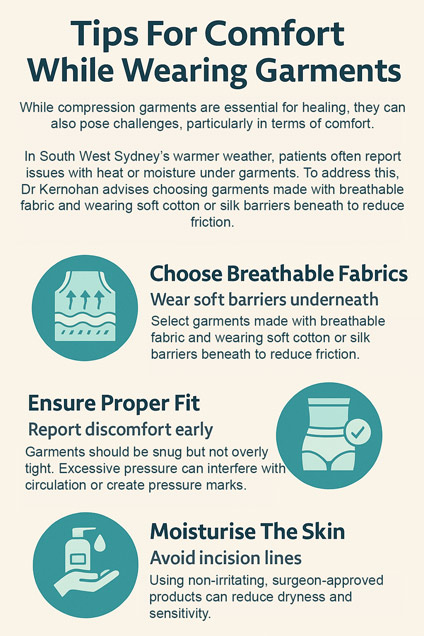
While compression garments are essential for healing, they can also pose challenges, particularly in terms of comfort. In South West Sydney’s warmer weather, patients often report issues with heat or moisture under garments. To address this, Dr Kernohan advises choosing garments made with breathable fabric and wearing soft cotton or silk barriers beneath to reduce friction.
Garments should be snug but not overly tight. Excessive pressure can interfere with circulation or create pressure marks. If discomfort arises, it’s important to report this early. Simple adjustments or switching garment types may be all that’s needed.
Skin care is another element of comfort. Moisturising the skin with non-irritating, surgeon-approved products can reduce dryness and sensitivity. However, patients must avoid applying lotions directly over incision lines unless cleared to do so. In some cases, gentle massage and hydration may also support skin elasticity during healing.
Youtube Video: Dr Kernohan Explains Body Lift Surgery (click the image to watch the video on Youtube)

Caring For Your Garments
Maintaining your garments is important for hygiene, fit, and continued effectiveness. Patients should clean their garments regularly, following care instructions closely. Most high-quality surgical garments can be hand-washed in cold water or placed in a gentle machine cycle.
It is highly recommended to have two garments available so one can be worn while the other is being cleaned. Garments should be dried flat and never placed in a dryer, as heat can damage elastic fibres.
Frequent inspection of garment condition is advised. Garments that lose elasticity, become misshapen, or develop broken seams should be replaced promptly. Dr Kernohan can advise on when a replacement may be needed and may assist in sourcing additional garments as required.
Do’s And Don’ts For Garment Use After Upper Body Lift Surgery
Do’s:
- Wear garments as instructed by Dr Kernohan.
- Keep garments clean and dry.
- Monitor for skin irritation or discomfort.
Don’ts:
- Don’t loosen or tighten garments without guidance.
- Don’t expose healing skin to UV light.
- Don’t resume vigorous activity until cleared.
Local Lifestyle Considerations In Sydney
Living in Sydney presents unique challenges and advantages for post-operative recovery. The region’s warm climate and active lifestyle mean patients may need to adapt their recovery routines accordingly. Breathable garments are practical during summer months, and loose clothing helps reduce layering discomfort.
Public transport, office settings, or social events may require discreet garment use. Choosing garments that blend under clothing and avoid visible seams is often preferred. In many cases, a compression vest or discreet top can be worn under professional or casual outfits without noticeable bulk.
Dr Kernohan also discusses with patients how to prepare for return to work, travel, and outdoor activities. While upper body motion should be limited initially, walking and light activity are usually resumed early. However, sun exposure should be minimised until incisions are fully healed. Protective garments or SPF-rated clothing can help during Sydney’s bright outdoor seasons.

FAQs About Garments For Upper Body Lift Surgery
Final Thoughts
Compression garments may seem like a small detail in the broader context of surgery, but they are among the most important tools patients have to aid their recovery. Choosing the right garment, wearing it as recommended, and caring for it properly all influence how the body heals and how results settle.
Dr Michael Kernohan and his South West Sydney team are dedicated to patient education and tailored care. By understanding how garments contribute to surgical outcomes, patients are better equipped to manage their recovery with confidence and clarity.
If you’re considering an upper body lift or have questions about post-surgical support, don’t hesitate to reach out for guidance or assessment. Planning ahead sets the stage for a more comfortable and effective healing journey.
Ready To Find The Right Fit?
Schedule A Garment Planning Session With Dr Michael Kernohan
Choosing the right garment is a key step in your recovery after upper body lift surgery. Send your photos for a confidential pre-assessment or book a consultation at our South West Sydney clinic. Dr Kernohan offers individualised advice on what to wear, when, and how to get the best results. If you are planning an upper body procedure, now is the time to prepare for recovery.
Contact us
Phone: 1300 393 899
Fax: (02) 8007 0459
Email: [email protected]
Visit our Locations
GREGORY HILLS CLINIC
Gregory Hills Health & Business Centre
Suite 17, 13 Digitaria Drive
GLEDSWOOD HILLS
NSW 2557
SYDNEY CITY ROOMS
Surry Hills Clinic
434 Bourke Street,
SURRY HILLS
NSW 2010
Further Reading
- Read Dr Micheal Kernohan’s How to Manage and Treat Bodylift Scars After Surgery to Remove Excess Skin Blog
- Read Dr Micheal Kernohan’s Medicare for Body Lift Surgery to Remove Excess Skin Blog
Best Garments For Upper Body Lift Surgery
As a Specialist Plastic & Reconstructive Surgeon in South West Sydney, Dr Michael Kernohan guides…
How to Prepare for Body lift Surgery to Remove Excess Skin
Preparing for bodylift surgery is a step that requires clear planning and practical insight. Dr….
Recovery After Bodylift Surgery for Skin Removal
Bodylift surgery can help remove excess skin following significant weight loss or changes in body…