
- Take Quiz
- Understanding Bodylift Surgery
- The Initial Consultation
- Download Dr Kernohan's Excess Skin Reduction Guide
- Medical and Lifestyle Preparation
- Thigh Lift Before and After Photos
- Preparing at Home for Recovery
- Mental and Emotional Preparation
- Travel Planning for Interstate Patients
- What to Bring on Surgery Day
- FAQs About Preparing for Bodylift Surgery
- Final Thoughts: Planning Ahead with Confidence?
- Further Reading
- Related Post
Preparing for bodylift surgery is a step that requires clear planning and practical insight. Dr. Michael Kernohan, a Specialist Plastic & Reconstructive Surgeon based in South West Sydney, works closely with patients from Sydney and across Australia to deliver respectful, clinically focused care. This guide outlines the key steps in getting ready for your procedure.
Choosing surgery is a personal decision that should be made with a full understanding of what it involves. It’s not just about the day of the operation – it’s also about the weeks before and after, and how well you prepare can affect your recovery. Dr. Kernohan encourages patients to learn as much as they can, ask questions, and make choices that align with their health needs and personal goals.
Take Quiz
Understanding Bodylift Surgery
A bodylift is a surgical procedure that removes excess skin and some underlying fat from areas such as the abdomen, hips, and buttocks. It is commonly sought by people who have lost a significant amount of weight or who have experienced changes in skin elasticity. Dr. Kernohan performs bodylift surgery in fully accredited hospitals and customises each procedure to the individual.
The surgery aims to address comfort and function, especially where excess skin is causing physical issues. For many patients, it’s also about being able to wear clothing more comfortably or move more freely. Dr. Kernohan takes a practical approach to planning surgery, always weighing up potential risks and benefits so patients can make well-supported decisions.
The Initial Consultation
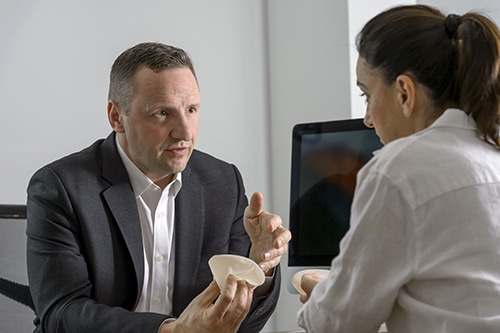
The consultation with Dr. Michael Kernohan in South West Sydney is an essential part of the preparation process. It involves a detailed review of your health, medical history, and personal goals. During this time, Dr. Kernohan will explain what the surgery involves and how it might be adapted to your needs.
This is also the right time to talk openly about any concerns you may have. You’ll receive clear explanations about the expected recovery time, what to bring on the day, and what kind of support you’ll need after surgery. Patients appreciate the structured, honest guidance provided throughout the planning phase.
Download Dr Kernohan’s Excess Skin Reduction Guide

Medical and Lifestyle Preparation
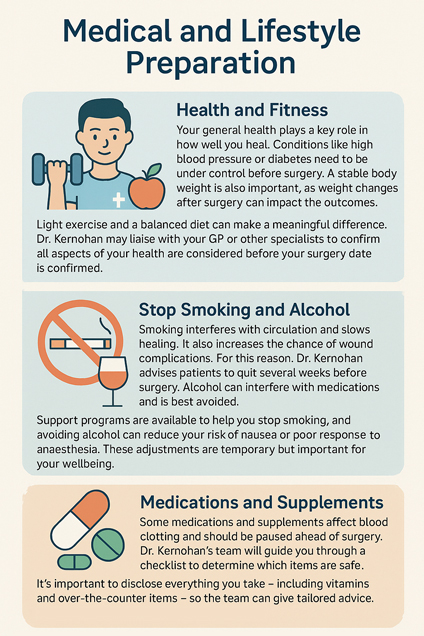
Health and Fitness
Your general health plays a key role in how well you heal. Conditions like high blood pressure or diabetes need to be under control before surgery. A stable body weight is also important, as weight changes after surgery can impact the outcomes.
Light exercise and a balanced diet can make a meaningful difference. Dr. Kernohan may liaise with your GP or other specialists to confirm all aspects of your health are considered before your surgery date is confirmed.
Stop Smoking and Alcohol
Smoking interferes with circulation and slows healing. It also increases the chance of wound complications. For this reason, Dr. Kernohan advises patients to quit several weeks before surgery. Alcohol can interfere with medications and is best avoided.
Support programs are available to help you stop smoking, and avoiding alcohol can reduce your risk of nausea or poor response to anaesthesia. These adjustments are temporary but important for your wellbeing.
Medications and Supplements
Some medications and supplements affect blood clotting and should be paused ahead of surgery. Dr. Kernohan’s team will guide you through a checklist to determine which items are safe to continue and which should be stopped.
It’s important to disclose everything you take – including vitamins and over-the-counter items – so the team can give tailored advice. This step is about reducing risk and ensuring the anaesthesia and surgery go smoothly.
Thigh Lift Before and After Photos
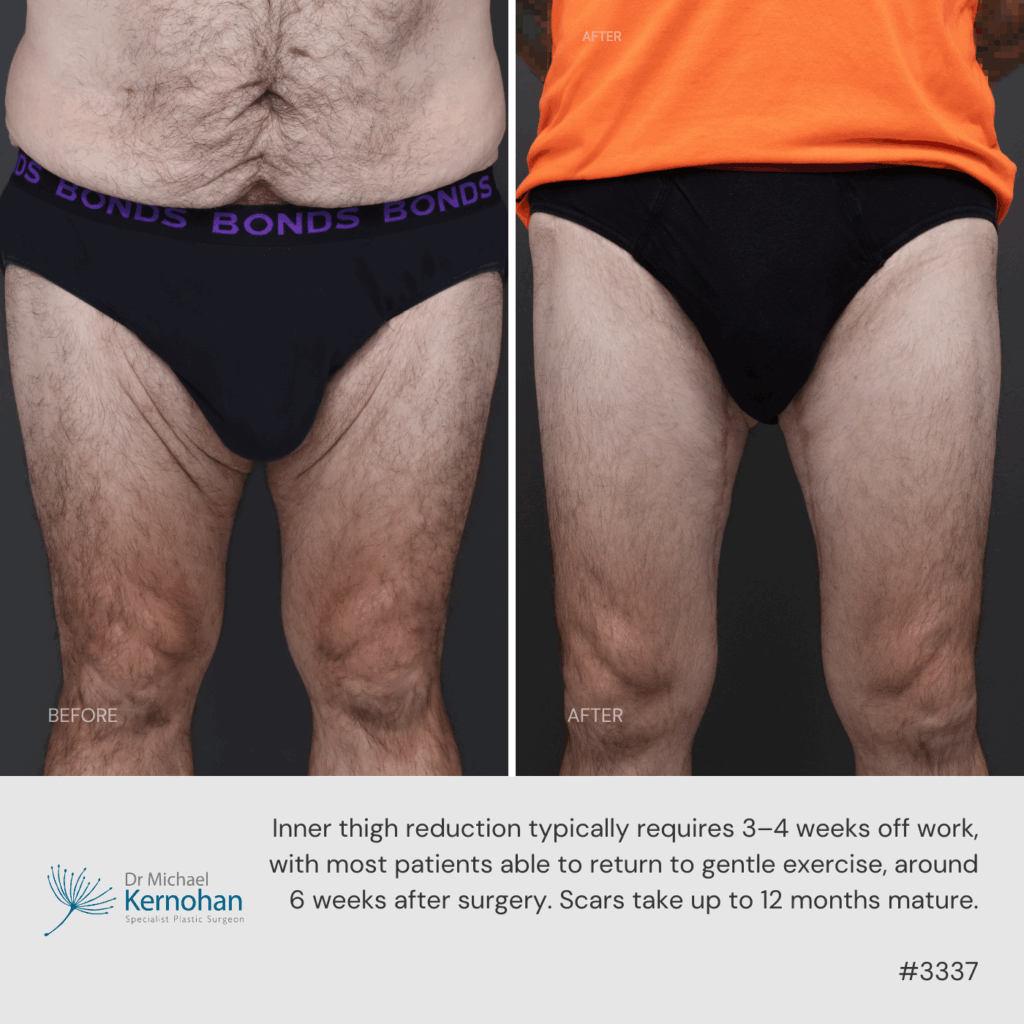

Disclaimer: All surgical or invasive procedures come with inherent risks, and results can vary widely between individuals due to factors like lifestyle, anatomy, overall health, weight, and nutrition. We encourage you to conduct thorough research and consider seeking a second opinion from a qualified healthcare provider.
Preparing at Home for Recovery
Set Up a Comfortable Recovery Area
Organising your home in advance will help you rest and recover with fewer disruptions. This includes setting up a reclined resting area with access to essential items like your phone, medications, and water.
Keeping the space safe – using night lights, clearing walkways, and having supportive furniture – will help you move around with less effort. Your recovery environment should feel calm and manageable.
Arrange Support
In the first few days after surgery, you’ll need help with things like meals and mobility. Having someone nearby can provide reassurance and physical assistance. Patients staying in South West Sydney might consider booking accommodation with a partner or friend.
Don’t underestimate how tired you might feel after surgery. Having a support person can also make communication with medical staff easier during follow-ups.
Pre-prepared Meals and Clothing
Prepping easy, nutritious meals ahead of time will make sure you’re well-fed during recovery. Focus on foods that are simple to reheat and don’t require much preparation.
Clothing should be loose-fitting and easy to put on. Front-opening shirts and slip-on shoes are practical choices. This reduces strain and keeps you more comfortable during the early healing phase.
Mental and Emotional Preparation
Feeling uncertain or nervous before surgery is completely normal. Taking time to prepare emotionally is just as important as the physical steps. Dr. Kernohan and his team encourage open communication to support your wellbeing.
You might find it helpful to talk with others who’ve had similar procedures, or to jot down your questions and feelings in a notebook. Managing your expectations about discomfort, mobility, and timelines can help you feel more grounded.
Travel Planning for Interstate Patients
If you’re travelling from Interstate to South West Sydney, it’s important to plan ahead. Many patients choose Dr. Kernohan because of his specialist background and experience in reconstructive procedures.
Book accommodation that is comfortable and close to the clinic or hospital. Consider transport options that allow you to travel home in a reclined position. Dr. Kernohan’s team can help you organise follow-up care via telehealth if returning in person isn’t practical.
What to Bring on Surgery Day
Bring only what you need: ID, loose clothing, toiletries, and any paperwork provided by Dr. Kernohan’s team. Having everything organised can help reduce stress on the day.
A small notebook or notes app is helpful for writing down care instructions. Plan your discharge ahead of time – someone will need to accompany you home and stay with you overnight if possible.

FAQs About Preparing for Bodylift Surgery

Final Thoughts: Planning Ahead with Confidence?
A well-prepared patient is more likely to have a smoother experience with fewer surprises. Dr. Michael Kernohan, Specialist Plastic & Reconstructive Surgeon in South West Sydney, guides patients from consultation through to recovery with a focus on careful planning and realistic expectations.
If you’re based interstate and are exploring your options for bodylift surgery, Dr. Kernohan’s team is here to help you navigate the process. Preparing thoroughly is not just about healing – it’s about making informed decisions that align with your goals.
Further Reading
- Read more about Lower Body Lift Surgery NSW
- Read more about Upper Body Lift NSW
- Read more about Tips for Sleeping after Body Lift Surgery
- Read more about Body Contouring after Weight loss NSW
Related Post

Best Garments For Upper Body Lift Surgery
As a Specialist Plastic & Reconstructive Surgeon in South West Sydney, Dr Michael Kernohan guides patients through all stages…
Recovery After Bodylift Surgery for Skin Removal
Bodylift surgery can help remove excess skin following significant weight loss or changes in body shape. For many people…

How to Manage and Treat Bodylift Scars After Surgery to Remove Excess Skin
Insights from Dr. Michael Kernohan, Specialist Plastic & Reconstructive Surgeon – South West Sydney Bodylift surgery is often performed…