
- Take The Quiz
- What Is A Hemostatic Net?
- Download Dr Kernohan’s Facelift Surgery Guide
- Why Reducing Haematoma Matters
- How The Hemostatic Net Works
- Potential Benefits For Recovery
- What To Expect If You Have One
- Clinical Considerations From A Specialist Plastic & Reconstructive Surgeon
- Key Questions To Discuss In Your Consultation
- Local Insights: What Sydney Patients Value
- Dr. Kernohan’s Perspective On Healing Support
- Facelift Before and After Photos
- Is It Right For You?
- FAQs About The Hemostatic Net And Facelift Recovery
- Ready To Take The Next Step?
- Further Reading
Facelift recovery is an important part of your surgical journey, especially for those seeking a well-planned, balanced outcome. For patients in Sydney considering facial surgery, understanding all aspects of recovery helps set realistic expectations.
Dr. Michael Kernohan, Specialist Plastic & Reconstructive Surgeon based in South West Sydney, offers advanced surgical techniques that consider not just the procedure – but also how your body heals. One such method used during facelift surgery is the Hemostatic Net. This technique reflects a commitment to both surgical precision and patient safety.
Patients often focus on the visible results of a facelift, but the quality of the recovery process can significantly influence long-term satisfaction. By incorporating techniques that reduce the risk of complications and support healing, Dr. Kernohan confirms that every step of the facelift journey is designed with patient care in mind.
Take The Quiz
What Is A Hemostatic Net?
A Hemostatic Net is a pattern of fine stitches placed during a facelift procedure. These stitches are used to secure the skin in a gentle, net-like formation onto the deeper facial tissues. This helps to eliminate “dead space” between skin and muscle layers where fluid could otherwise collect.
By reducing these potential spaces, the Hemostatic Net may help to minimise complications such as haematomas (blood pooling), seromas (fluid buildup), and excessive swelling. The net also provides light compression, which may enhance skin adherence and tissue healing.
Dr. Michael Kernohan may use this technique during certain facial procedures, such as deep plane facelifts or neck lifts. The goal is to support early healing and minimise the chances of fluid-related issues – particularly helpful for individuals with previous surgical experience or those seeking refined recovery planning.
The use of the Hemostatic Net demonstrates a proactive approach to surgical care. Rather than waiting to treat complications, this method aims to prevent them. It is part of a broader surgical philosophy that values foresight, planning, and comprehensive patient management.
Download Dr Kernohan’s Facelift Surgery Guide
Why Reducing Haematoma Matters
One of the more common challenges during facelift recovery is haematoma – a collection of blood under the skin. Haematomas can cause discomfort, skin discolouration, prolonged swelling, and, in some cases, require further drainage or revision.
The Hemostatic Net may reduce the likelihood of haematoma by helping the skin adhere more closely to underlying structures. This closer connection between skin and deeper tissues reduces movement and space, limiting the opportunity for blood or fluid to accumulate.
For patients in Sydney, where returning to work and public life quickly may be important, reducing the risk of post-operative fluid build-up is a meaningful consideration. A more targeted recovery can also reduce patient stress and follow-up visits.
Avoiding haematomas not only benefits the short-term comfort of the patient but also contributes to the long-term aesthetic result. Reducing the likelihood of fluid build-up can mean fewer irregularities in contour and texture, helping the face settle more evenly and predictably after surgery.
How The Hemostatic Net Works
The net is made by placing very fine sutures (usually 5-0 Prolene or similar) in a light quilting pattern. These stitches are spaced evenly and gently compress the facial tissues to reduce space for fluid.
The Hemostatic Net is applied at the end of the procedure, after the deeper layers have been addressed and skin is repositioned. It takes around 10 to 30 minutes to place, depending on the area and patient anatomy. It is removed within 48-72 hours post-surgery, often during the first dressing change. It does not replace drains in all cases but may be used as an alternative in suitable candidates.
Dr. Michael Kernohan tailors this step to suit the needs of each patient at his South West Sydney clinic, weighing the benefits based on facial structure, clotting tendencies, and individual recovery goals.
This temporary net is not designed to remain in place for long periods. Its role is to assist with early-phase healing, the period when the risk of fluid accumulation is highest. Once removed, the skin and tissues should have begun the process of bonding naturally, reducing further reliance on supportive structures.
Potential Benefits For Recovery
The Hemostatic Net is an adjunct – not a cure-all – but it may offer the following benefits:
Lower risk of haematoma or fluid retention is one of the most recognised benefits, which may translate to less discomfort and fewer complications. Reduced swelling in the early days after surgery may help patients feel more comfortable and confident as they return to light activities or manage essential responsibilities.
For patients who are candidates for drain-free recovery, the use of a Hemostatic Net may replace the need for surgical drains, improving post-operative comfort. In some cases, it can contribute to a more predictable recovery experience by maintaining tissue alignment and reducing the variables that may influence healing outcomes.
The potential benefit of improved skin adherence means that the repositioned skin has more consistent contact with the underlying tissues, which may enhance the appearance of the final result. For many patients, this added support helps them feel that every effort has been made to optimise their healing process.

What To Expect If You Have One
If a Hemostatic Net is used during your facelift, you may notice the sensation of firmness or mild tightness in the treated area during the first 48 hours. This is expected and often reflects the gentle compression created by the net.
You may see fine stitch marks on the skin surface. These usually fade within a few weeks and are rarely permanent. The net is temporary and removed in the early days after surgery, often during a review appointment with the surgical team. Some patients experience minor skin indentation that resolves with time. The area may feel firmer or tighter due to the quilting, which typically softens after removal.
Patients are often advised to keep the area dry and avoid pressure on the face until the net is removed. Dr. Michael Kernohan and his nursing team in South West Sydney provide specific instructions to make this process as comfortable and clear as possible.
It is important to understand that the presence of the Hemostatic Net does not limit other aspects of recovery. Patients can still follow standard protocols for rest, nutrition, wound care, and follow-up without significant modification. The net is an integrated part of the care pathway.
Clinical Considerations From A Specialist Plastic & Reconstructive Surgeon
As a Specialist Plastic & Reconstructive Surgeon, Dr. Michael Kernohan considers multiple factors when planning facial surgery. Your skin thickness and elasticity are critical in determining how your skin will respond to repositioning and support. A history of easy bruising or bleeding may influence the decision to use additional hemostatic techniques.
Medical history, including clotting profile and past healing experience, provides further guidance. The type and extent of facelift being performed, such as deep plane or deep neck lift, also inform whether a Hemostatic Net is appropriate. When other procedures are combined with a facelift – such as eyelid or brow surgery – Dr. Kernohan will assess how the techniques interact.
At his South West Sydney practice, this planning is grounded in both surgical evidence and practical experience. Dr. Kernohan remains informed by peer-reviewed research, but equally by real-world patient outcomes observed in his clinic. His goal is to select the methods most likely to support healing and produce an optimal result.
Key Questions To Discuss In Your Consultation
If you’re a Melbourne patient considering a facelift, it is essential to understand the full scope of your surgical plan. Asking whether a Hemostatic Net is recommended for your procedure opens a dialogue about surgical technique and rationale. Clarifying if drains will be needed or avoided helps you prepare for the recovery process.
Understanding how this choice may affect your care plan gives you a better sense of what to expect in terms of dressing changes, follow-up visits, and the day-by-day experience. Asking about risks or downsides encourages transparency, allowing Dr. Kernohan to explain rare but possible effects such as temporary marks or minor discomfort.
Asking whether the surgeon has used this method in patients with similar anatomy or health profiles can also be reassuring. It gives context to the decision-making process and helps you feel included in the planning phase.
Local Insights: What Sydney Patients Value
Many patients in Sydney prioritise recovery timelines, visible healing, and post-surgery discretion. Whether it’s returning to work, planning around social events, or managing responsibilities, a structured approach to healing is key. The decision to undergo surgery often involves timing considerations around career, family, and lifestyle.
There is a noticeable trend among Sydney-based patients to explore options that support subtle, natural results with less disruption. Techniques like the Hemostatic Net reflect this growing interest in recovery-focused surgical care. As patients become more informed and proactive, the desire to understand how recovery can be optimised has increased.
For patients travelling from Melbourne to South West Sydney for surgery, proper planning for accommodation, transport, and early post-operative care can make a significant difference. Dr. Kernohan’s team supports interstate patients with recovery advice tailored to these needs. This includes guidance on wound care, mobility, and how to plan the first few days after surgery to reduce unnecessary stress.
Dr. Kernohan’s Perspective On Healing Support
“Recovery starts in the operating theatre. Techniques like the Hemostatic Net are designed to support healing before the patient even leaves the hospital,” says Dr. Michael Kernohan.
His approach combines evidence-based techniques with a clear, realistic recovery plan. Every decision – from incision placement to stitch type – is made with healing in mind.
His South West Sydney practice has helped many patients from Sydney manage their recovery with confidence and clarity, thanks to detailed planning and personalised advice. Dr. Kernohan values clear communication and ensures that patients understand the reasoning behind each surgical choice. This clarity often reduces anxiety and improves compliance with post-operative care.
By approaching surgery with a prevention mindset, Dr. Kernohan aims to create outcomes that are both visually pleasing and medically sound. The Hemostatic Net is one example of how small, thoughtful steps during surgery can have a meaningful impact during recovery.
Facelift Before and After Photos
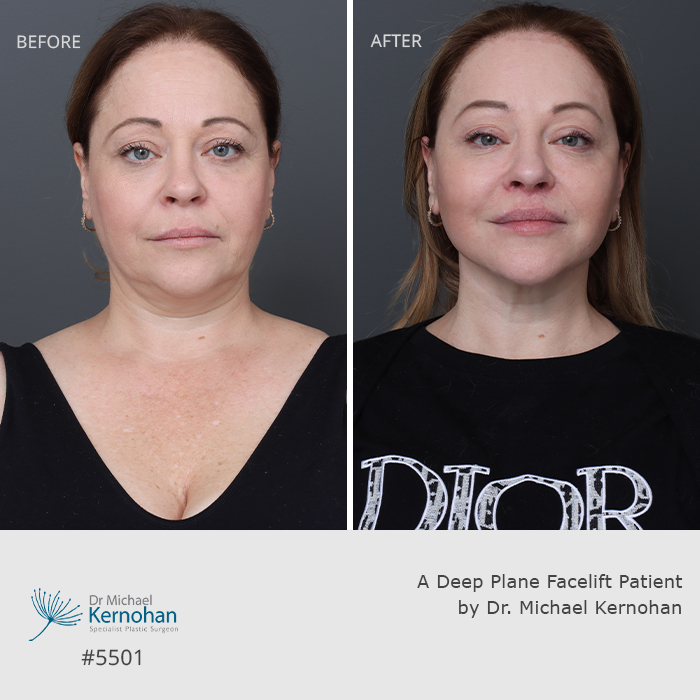
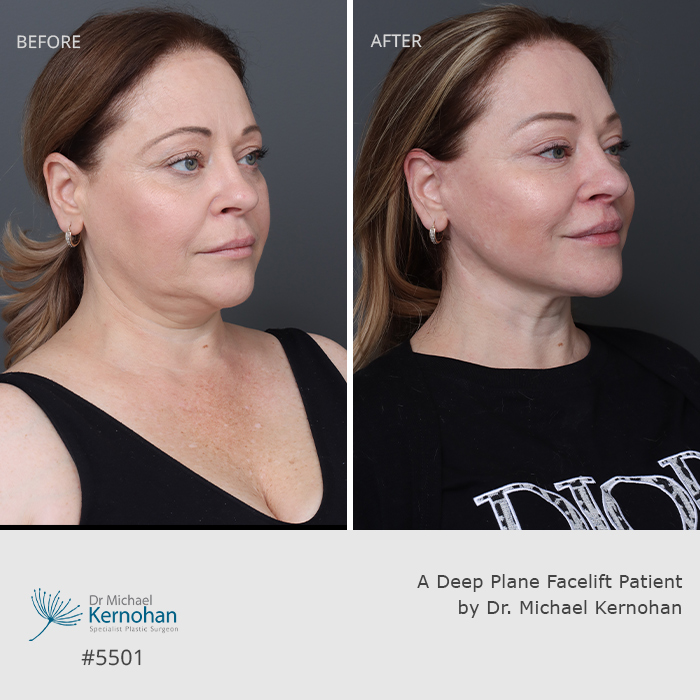
Disclaimer: All surgical or invasive procedures come with inherent risks, and results can vary widely between individuals due to factors like lifestyle, anatomy, overall health, weight, and nutrition. We encourage you to conduct thorough research and consider seeking a second opinion from a qualified healthcare provider.
Is It Right For You?
The Hemostatic Net may be suitable if you are undergoing a deep plane facelift or neck lift. Patients with a history of bruising or fluid retention may benefit from this technique, as may those who prefer fewer external drains where clinically safe. Your medical history and facial anatomy will guide this decision.
However, it may not be required for every patient. The best way to know is through an individual consultation with a qualified surgeon. Dr. Michael Kernohan will assess your health, facial anatomy, and surgical goals to determine whether the Hemostatic Net is appropriate for you.
Understanding whether you are a good candidate depends not only on the surgery itself but also on how your body responds to injury and healing. The decision to include the Hemostatic Net is made with your overall well-being in mind.
FAQs About The Hemostatic Net And Facelift Recovery

Ready To Take The Next Step?
If you’re considering facial surgery and want to explore supportive recovery options, speak with Dr. Michael Kernohan. As a Specialist Plastic & Reconstructive Surgeon based in South West Sydney, he provides personalised surgical plans for patients from Melbourne and beyond.
Visit drmichaelkernohan.com.au to book your consultation and learn more about your facelift options. You’ll be supported by a surgical team who understands the importance of both technique and aftercare.
Taking the time to understand your options – before and after surgery – can lead to a more comfortable recovery and a better long-term outcome. Dr. Kernohan’s team is ready to help you navigate your journey from consultation to recovery with professionalism, transparency, and care.
Further Reading
- Read more about Deep Plane Facelift NSW
- Read more about Facelift Surgery NSW
- Read more about SMAS vs Deep Plane Facelift
- Read Dr Kernohan’s Recovery after Facelift Surgery Sydney
- Read Dr Kernohan’s Blog on Facelift Surgery and Lifestyle – Habits That Affect Your Results

Neck Lift vs Lower Facelift – Which Option Is Right for Different Patients?
Dr Michael Kernohan is a Specialist Plastic & Reconstructive Surgeon in Sydney. A neck lift and lower facelift treat…

How Long Do Facelift Results Last?
Dr Michael Kernohan, Specialist Plastic & Reconstructive Surgeon in Sydney, speaks with many patients who want to know how…

Facelift Scars and Incision Placement: What Patients Should Understand
Dr Michael Kernohan, Specialist Plastic & Reconstructive Surgeon in Sydney, discusses incision placement and scar planning with patients before…