
- Take the Quiz
- Why Swelling And Bruising Occur After Breast Reduction
- Timeline Of Swelling And Bruising
- Download Dr Kernohan's Breast Reduction Surgery Guide
- Immediate Steps After Surgery To Reduce Swelling And Bruising
- The Role Of Compression Garments In Swelling Management
- Movement, Hydration, And Nutrition: Supporting The Body Internally
- What To Avoid: Activities And Habits That Can Worsen Swelling
- Personalised Support From Dr Kernohan In South West Sydney
- Planning Ahead For A Comfortable Recovery
- Breast Reduction Before and After Photos
- Long-Term Healing And What To Expect
- Take the Next Steps To Begin Your Recovery Journey
- FAQs About Reducing Swelling And Bruising After Breast Reduction
- Further Reading
Breast reduction surgery is a procedure that offers the possibility of both physical and functional benefits, especially for patients experiencing discomfort from larger breast volume. As with any surgical operation, the recovery process is just as important as the surgery itself. A key part of this recovery involves managing post-operative swelling and bruising. These symptoms are natural responses to surgical intervention and will resolve over time, but the way you care for your body during the early phases of recovery can significantly impact how quickly they subside.
Dr Michael Kernohan, a Specialist Plastic & Reconstructive Surgeon based in Sydney, regularly supports patients through the full course of recovery following breast reduction surgery. He provides each patient with personalised advice on how to manage swelling and bruising, using proven methods that align with clinical care and patient comfort.
Take the Quiz
Why Swelling And Bruising Occur After Breast Reduction
Understanding why swelling and bruising occur helps reduce anxiety and provides patients with the reassurance they need in the early days following surgery. Swelling is a result of the body’s inflammatory response. When the breast tissue is reshaped and excess tissue is removed during surgery, small blood vessels and lymphatic channels are disrupted. This leads to a temporary build-up of fluid, which the body works to clear in the days and weeks that follow.
Bruising, on the other hand, appears when small blood vessels are damaged during surgery and blood seeps into surrounding tissues. It typically presents as purple or dark discolouration and changes colour over time as the blood is reabsorbed. While bruising may look dramatic in the first few days, it is rarely cause for concern and tends to resolve naturally within a few weeks.
Timeline Of Swelling And Bruising
During the first week after breast reduction surgery, patients can expect swelling to peak. The breasts may feel firm and heavy, and there may be mild to moderate discomfort. Bruising typically develops within the first 48 hours and may appear around the lower breast, extending to the underarm area or chest wall.
Between the second and fourth week, swelling begins to gradually reduce. Bruises fade, turning from dark purple or blue to green and yellow before disappearing. Swelling becomes more localised, often around the incision line or internal sutures.
From weeks four to eight, the remaining swelling is usually mild. Most of it is noticeable only to the patient, particularly in the mornings or after physical activity. By the three-month mark, most swelling should have resolved, though in some cases, subtle changes may continue over six months or longer.
Dr Kernohan provides patients in South West Sydney with tailored follow-up appointments to monitor healing, track progress, and answer any concerns that may arise regarding residual swelling or unusual symptoms.
Download Dr Kernohan’s Breast Reduction Surgery Guide
Immediate Steps After Surgery To Reduce Swelling And Bruising
The first few days after surgery are critical for laying the foundation of a smooth recovery. It is essential to follow post-operative instructions precisely, as they are designed to minimise the risk of complications and reduce discomfort.
Rest is essential, but how you rest also matters. Keeping the upper body elevated using pillows while lying down helps reduce fluid pooling and encourages proper drainage. This can ease pressure on the surgical site and lead to a more comfortable experience.
Applying cold compresses gently around the breasts during the first 48 to 72 hours can also help control swelling and reduce bruising. These should not be placed directly on the skin or surgical area, and should be used in short intervals to prevent overcooling the tissues.
Wearing the compression bra provided by your surgical team is another important component of early care. These garments are specifically designed to support the healing breast tissue, reduce movement, and apply even pressure to prevent fluid build-up. Dr Kernohan’s clinic ensures each patient is fitted with a garment that suits their surgical outcome and comfort preferences.
The Role Of Compression Garments In Swelling Management
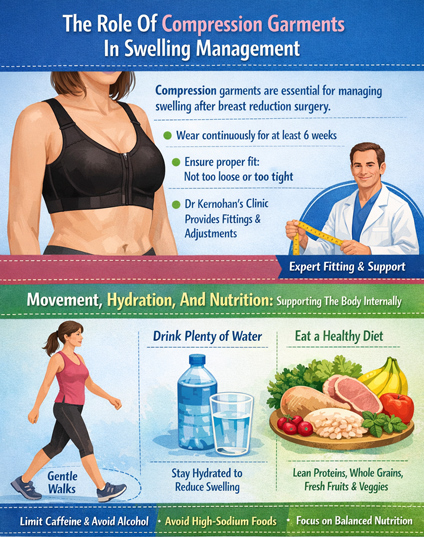
Compression garments are one of the most effective tools for managing swelling after breast reduction surgery. These specially designed bras offer gentle, consistent support that helps control inflammation and maintain the new breast shape.
The garment should be worn continuously, except when showering or as directed during follow-up visits. Dr Kernohan typically recommends wearing a post-operative bra for at least six weeks, although this may vary depending on the individual’s healing progress and level of swelling.
The correct fit is crucial. A garment that is too loose may not offer the required support, while one that is too tight can cause discomfort or interfere with circulation. Dr Kernohan’s South West Sydney clinic provides fittings and adjustments to ensure optimal use of compression wear throughout recovery.
Movement, Hydration, And Nutrition: Supporting The Body Internally
Healing from surgery is not only about what you apply externally but also about how you care for your body from within. Staying mobile, even in small ways, is vital for supporting circulation and preventing stiffness or fluid retention. Dr Kernohan recommends short, gentle walks as early as the second day after surgery, encouraging patients to move around the house periodically.
Hydration plays an essential role in reducing swelling. Drinking adequate water helps flush excess fluids through the body’s natural systems and supports tissue regeneration. Patients are advised to limit caffeine and avoid alcohol during the first few weeks to reduce the risk of dehydration and inflammation.
Nutrition is equally important. A diet rich in lean proteins, whole grains, fresh vegetables, and fruits provides the building blocks needed for skin and tissue repair. Dr Kernohan may recommend avoiding processed foods high in sodium, which can exacerbate swelling. Maintaining regular, balanced meals during the recovery period helps sustain energy and supports a gradual return to normal activity.
What To Avoid: Activities And Habits That Can Worsen Swelling
Recovery can be compromised if certain precautions are not followed. One of the most important rules is to avoid any form of strenuous activity, especially movements that involve heavy lifting, pushing, or raising the arms above shoulder level. These actions can disrupt healing tissues and increase the risk of fluid build-up or discomfort.
Patients should also avoid exposure to excessive heat during the early stages of healing. This includes hot showers, heated blankets, or spending time in warm environments such as saunas or direct sunlight. Heat can increase inflammation and prolong swelling, especially when tissues are still delicate.
Smoking and alcohol intake are discouraged during recovery. Smoking reduces blood flow and oxygen delivery to tissues, which can slow healing and contribute to more prominent scarring. Alcohol can interfere with medications and hydration, delaying the resolution of swelling.
Dr Kernohan provides each patient with detailed post-operative guidelines to ensure these factors are considered and managed appropriately throughout the recovery period.
Personalised Support From Dr Kernohan In South West Sydney
One of the advantages of working with a local Specialist Plastic & Reconstructive Surgeon is access to personalised support during the most important phases of recovery. Dr Michael Kernohan takes a hands-on approach to post-operative care, offering tailored strategies that reflect each patient’s needs, body type, and healing response.
Patients in South West Sydney benefit from proximity to ongoing follow-up appointments, garment assessments, and timely clinical reviews. This level of accessibility means concerns can be addressed early, and the recovery plan can be adjusted as needed to support optimal outcomes.
Dr Kernohan’s commitment to education and clear communication ensures that patients feel informed, empowered, and reassured during the entire process. His team remains available to answer questions and provide clarification at every step.
Planning Ahead For A Comfortable Recovery
Reducing swelling and bruising begins with thoughtful preparation. Patients are encouraged to organise their recovery space before surgery, including setting up a rest area with pillows for elevation, preparing easy-to-reach meals, and arranging transportation and support for the first few days.
Having all necessary supplies, such as compression garments, medications, hydration bottles, and cold compresses, ready in advance can make the early days more manageable. Planning ahead reduces stress and allows patients to focus fully on healing.
Dr Kernohan provides patients with a comprehensive recovery checklist during their pre-operative consultation. This ensures that nothing is overlooked and that the recovery environment supports comfort, hygiene, and relaxation.
Breast Reduction Before and After Photos
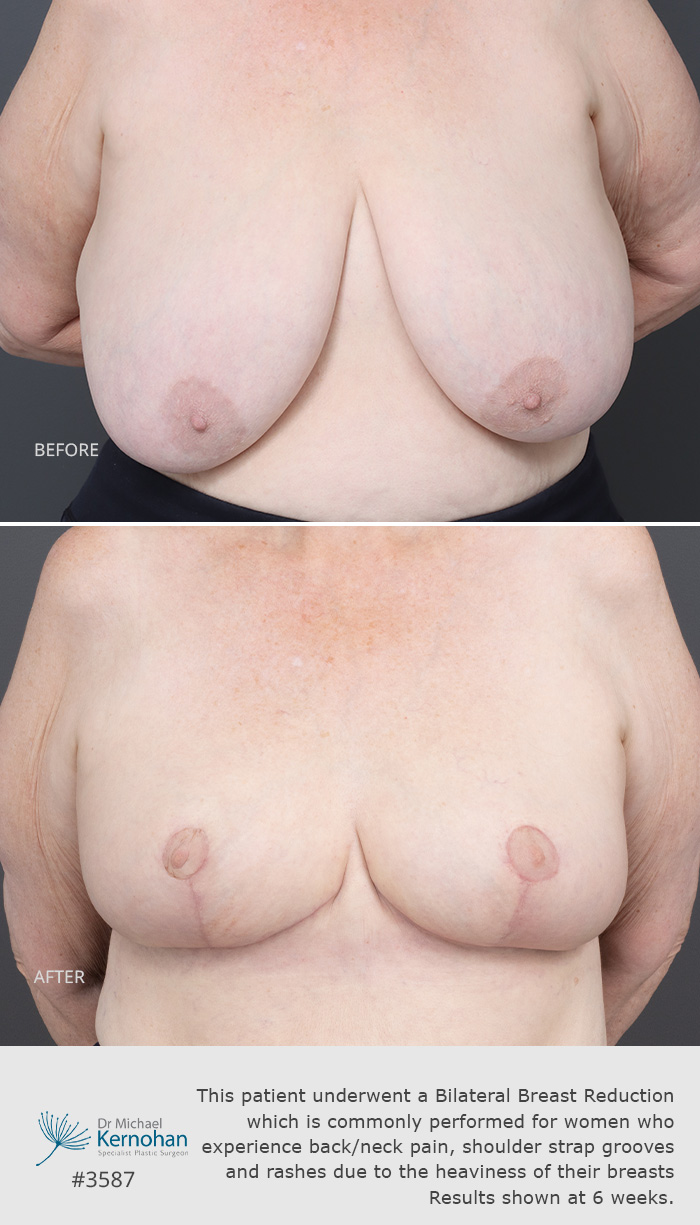
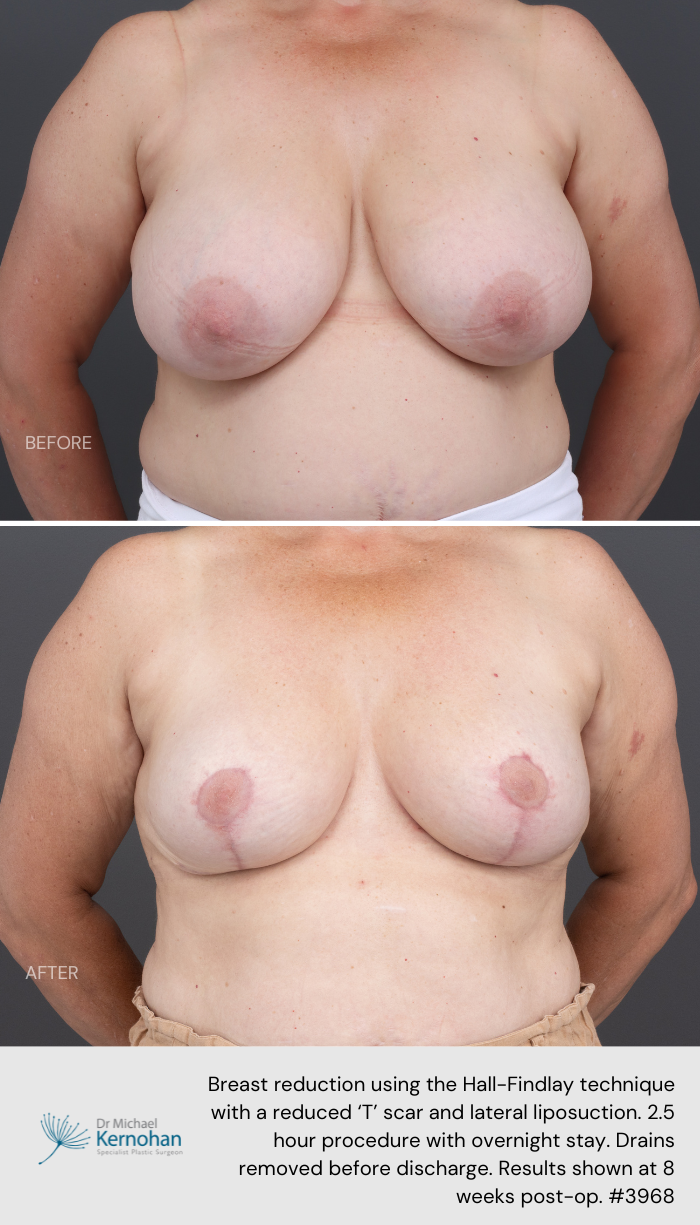
Disclaimer: The before and after photographs displayed on this page are published with the consent of the patients and are intended for informational purposes only. They provide a visual representation of the outcomes achieved by the practitioner but do not guarantee or imply that any individual will achieve similar results. Individual results may vary due to various factors, including a patient’s unique anatomy, medical history, and healing process.
View Breast Reduction Before and After Gallery
Long-Term Healing And What To Expect
While most swelling and bruising resolve within the first two to three months, some patients may notice minor residual swelling or firmness that continues to settle over time. These changes are generally subtle and often not visible to others, but they can influence how the patient perceives their outcome.
The final results of breast reduction surgery often become more apparent once swelling has fully subsided. This can take several months, depending on factors such as skin elasticity, healing rate, and adherence to post-operative care instructions.
Dr Kernohan’s follow-up care includes monitoring these changes, answering ongoing questions, and offering guidance if adjustments or additional support is required. By focusing on long-term recovery as well as the immediate post-operative period, he ensures that each patient achieves the most stable and satisfying results possible.
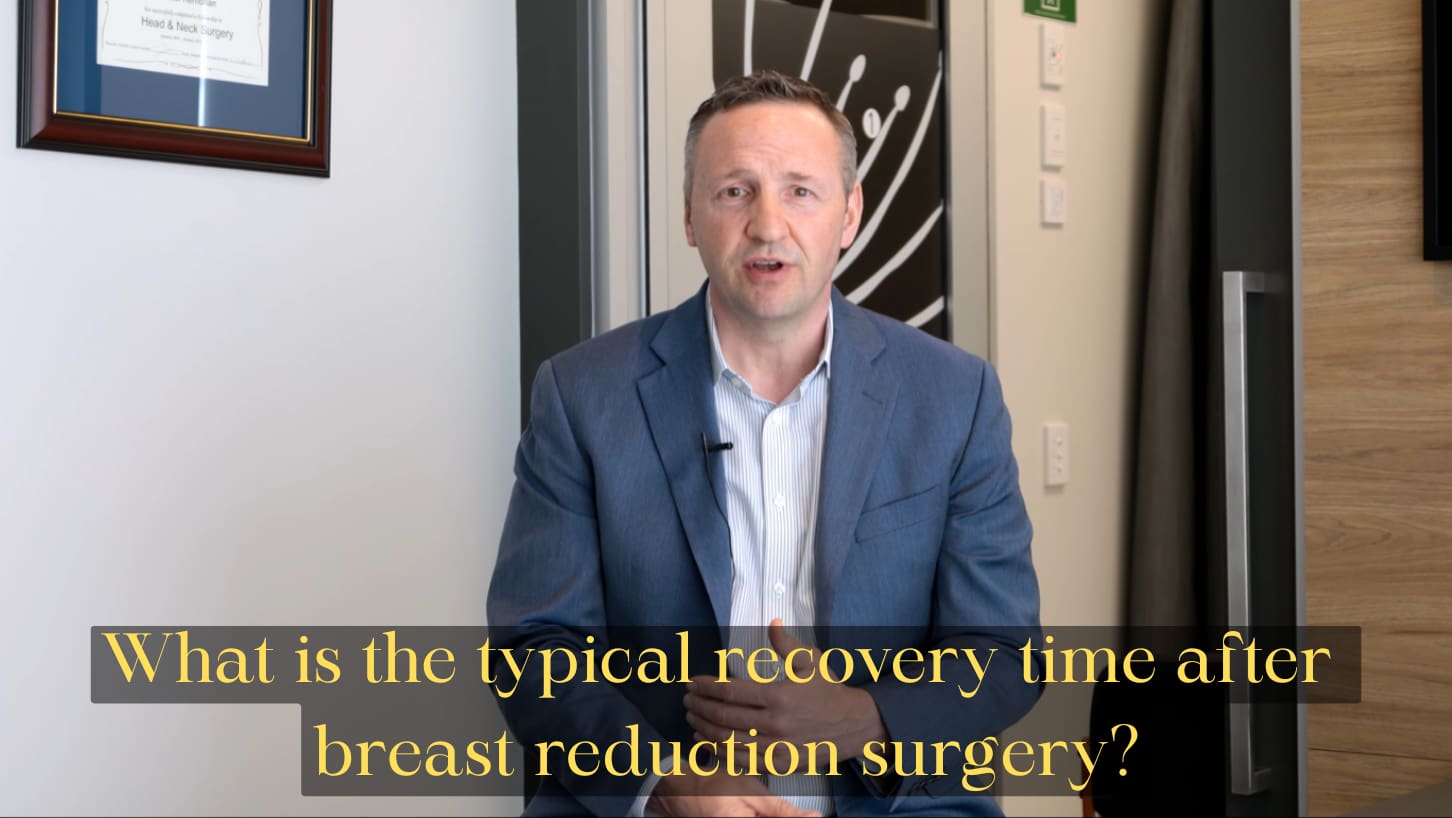
Take the Next Steps To Begin Your Recovery Journey
Planning ahead and receiving the right guidance can make a major difference in how you recover from breast reduction surgery. Dr Michael Kernohan, Specialist Plastic & Reconstructive Surgeon in South West Sydney, provides comprehensive post-operative care and individualised plans to help reduce swelling and bruising safely and effectively.
Patients can contact the clinic to schedule a personalised consultation or submit secure photos for a complimentary pre-assessment. Whether you’re just beginning your surgical journey or seeking follow-up support, the team is ready to assist.
Book your appointment with Dr Kernohan and take the first step toward a well-supported recovery experience.

FAQs About Reducing Swelling And Bruising After Breast Reduction
Further Reading
- Read more about Breast Implant Removal with a Lift – Sydney NSW
- Read Dr Kernohan’s Blog on Tips for Sleeping after Breast Reduction Surgery
- Read Dr Kernohan’s Blog on What Is the Difference between Breast Reduction and Breast Lift
- Read Dr Kernohan’s Blog on Can Your Breasts Grow Back After Breast Reduction Surgery?
Note: Mild swelling and bruising are expected parts of healing after breast reduction surgery. Most will improve steadily as your body continues its natural inflammatory and repair processes. If at any point you feel uncertain about what you are experiencing, reach out to your Specialist Plastic & Reconstructive Surgeon for guidance.

Will Medicare Cover Breast Reduction Surgery in Sydney?
Medicare Cover for Breast Reduction Surgery Breast reduction surgery is a procedure designed to alleviate…
What Is the Difference between Breast Reduction and Breast Lift
Breast Reduction vs. Breast Lift – What Is the Right Choice for You? Two common…
Tips for Sleeping after Breast Reduction Surgery
Strategies to Sleep Better after Breast Reduction Surgery Breast reduction surgery is a medical procedure…