
- Take the Quiz
- Why Swelling And Bruising Occur After Eyelid Surgery
- Typical Timeline Of Swelling And Bruising
- Download Dr Kernohan's Blepharoplasty Surgery Guide
- Immediate Care Tips After Eyelid Surgery
- Positioning And Movement: Supporting Early Recovery
- Hydration And Nutrition To Minimise Swelling
- Products And Treatments To Be Cautious With
- What To Avoid During Early Recovery
- Personalised Care From Dr Michael Kernohan In Sydney
- Blepharoplasty Before and After Photo
- Preparing Ahead For A Comfortable Recovery
- Long-Term Healing Outlook
- Take the Next Steps In Beginning Your Recovery With Specialist Care
- FAQs About Reducing Swelling And Bruising After Eyelid Surgery
- Further Reading
Blepharoplasty, also known as eyelid surgery, is a commonly performed procedure aimed at addressing functional or aesthetic concerns around the eyes. While the results can be subtle, the recovery process often involves temporary swelling and bruising. These symptoms are a normal part of the body’s healing response, especially in a delicate area like the eyelids.
Dr Michael Kernohan, a Specialist Plastic & Reconstructive Surgeon based in Sydney, regularly supports patients through the recovery process following upper and lower eyelid surgery. With clear guidance and practical aftercare, most patients can reduce the severity and duration of swelling and bruising, ensuring a steady recovery and optimal results.
Take the Quiz
Why Swelling And Bruising Occur After Eyelid Surgery
Swelling and bruising after eyelid surgery are the result of tissue manipulation and the body’s natural inflammatory process. The skin around the eyes is exceptionally thin and contains a dense network of small blood vessels. During surgery, these vessels can be disrupted, leading to localised bleeding and fluid accumulation in the surrounding tissues.
Swelling is part of the body’s protective mechanism and begins as soon as surgery is completed. Bruising typically appears within the first two days and often affects both the upper and lower eyelids, even if only one area was treated. While these changes may look concerning at first, they are usually temporary and manageable with the right approach.
Typical Timeline Of Swelling And Bruising
Most patients notice peak swelling within the first 48 to 72 hours after blepharoplasty. This is when the tissues are responding most actively to the surgical intervention. During this period, the eyelids may appear puffy, and bruising will be more prominent, often spreading across the upper cheeks or toward the corners of the eyes.
Between days four and ten, the swelling begins to subside, and the bruising gradually changes in colour from dark purple or blue to green and yellow. By the second week, most of the visible signs have diminished significantly, although some residual swelling may persist. It is common for patients to notice that puffiness is more pronounced in the morning and resolves throughout the day.
Dr Kernohan schedules post-operative follow-up appointments at his South West Sydney clinic to monitor healing. These visits provide reassurance and allow for any adjustments or concerns to be addressed early.
Download Dr Kernohan’s Blepharoplasty Surgery Guide

Immediate Care Tips After Eyelid Surgery
The first few days after surgery are essential for setting the tone for recovery. Applying cold compresses gently around the eye area, without placing pressure directly on the eyelids, can significantly reduce inflammation. This is most effective during the first 48 hours after surgery. Cold therapy helps constrict blood vessels, which limits bleeding and swelling.
Maintaining an elevated position for the head, including while sleeping, can also assist in reducing fluid accumulation. Using additional pillows or a wedge pillow helps encourage proper drainage away from the eye area. Avoiding any rubbing, massaging, or pressing on the eyes is also important to prevent disrupting the incisions.
Dr Kernohan may provide eye shields or protective dressings depending on the surgical approach. These assist in keeping the area clean and reducing exposure to airborne irritants during the early phase of recovery.

Positioning And Movement: Supporting Early Recovery
Correct body positioning is a simple yet powerful tool for reducing swelling. Sleeping with your head elevated above heart level helps gravity do the work of moving fluid away from the face. Patients are advised to avoid sleeping on their side or stomach, as this can increase pressure on the delicate surgical area.
Avoiding activities that raise pressure in the head, such as heavy lifting, bending forward, or strenuous exercise, is also essential in the first one to two weeks. Even mild increases in head pressure can lead to prolonged swelling or bruising. Gentle walking indoors is encouraged to promote overall circulation without stressing the surgical site.
Patients under Dr Kernohan’s care receive tailored recovery instructions that include recommendations for rest, gentle movement, and activity pacing. This personalised approach ensures safety and comfort throughout the early healing period.
Hydration And Nutrition To Minimise Swelling
Internal care is just as important as external support during recovery. Staying well hydrated encourages lymphatic flow and helps the body flush out excess fluids. Water should be the primary source of hydration, while caffeine and alcohol should be limited, especially in the early days post-surgery.
Nutrition also plays a key role in healing. A diet rich in fresh fruits and vegetables, lean proteins, and whole grains provides the body with essential vitamins and minerals. In particular, nutrients such as vitamin C, vitamin K, and zinc are known to support wound healing and may assist in reducing inflammation.
Patients in South West Sydney benefit from Dr Kernohan’s practical dietary advice and lifestyle tips that complement the surgical recovery process. Local access to fresh food markets and a supportive climate can also contribute to a positive healing experience.
Products And Treatments To Be Cautious With
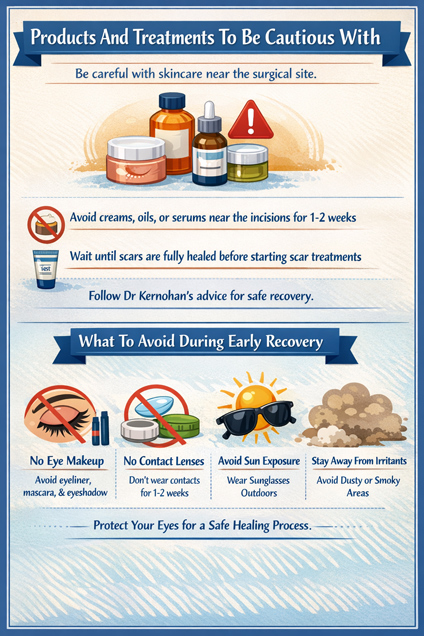
While many patients are eager to return to their normal skincare routine, it is important to approach this step with caution. Applying creams, oils, or serums near the surgical site before it has healed may introduce irritation or even increase the risk of infection. Unless a product has been specifically recommended by Dr Kernohan, it is best to avoid using anything on the eyelids for at least the first one to two weeks.
Scar management treatments, such as silicone gels or ointments, are often considered once the incisions have fully closed. Dr Kernohan will guide patients on the appropriate timing and products based on their individual healing response and skin type. Starting too early or with the wrong ingredients may interfere with the delicate recovery process.
What To Avoid During Early Recovery
There are several key habits and environmental exposures to avoid during the early recovery period. Patients should refrain from wearing eye makeup, including eyeliner, mascara, or eyeshadow, until they are cleared by the surgeon. These products can introduce bacteria and increase the risk of infection.
Wearing contact lenses is generally discouraged for at least one to two weeks post-surgery, as the act of inserting and removing lenses places pressure on the healing eyelids. Sun exposure should also be limited, and patients are advised to wear sunglasses when outdoors to protect their eyes from UV light and wind.
Avoiding dusty, smoky, or dry environments can prevent unnecessary irritation. Dr Kernohan provides guidance on how to care for the eyes while maintaining comfort and safety in everyday situations.
Personalised Care From Dr Michael Kernohan In Sydney
Choosing a locally based Specialist Plastic & Reconstructive Surgeon ensures that patients have access to consistent and supportive care throughout the entire surgical journey. Dr Michael Kernohan’s clinic in South West Sydney offers convenient follow-up appointments, direct communication with the surgical team, and tailored recovery advice based on each patient’s unique needs.
Personalised care means that questions and concerns are addressed promptly, and adjustments can be made to the recovery plan as needed. Patients benefit from a surgeon who is deeply familiar with the procedure, the local environment, and the expectations of Sydney’s active and engaged population.
Blepharoplasty Before and After Photo

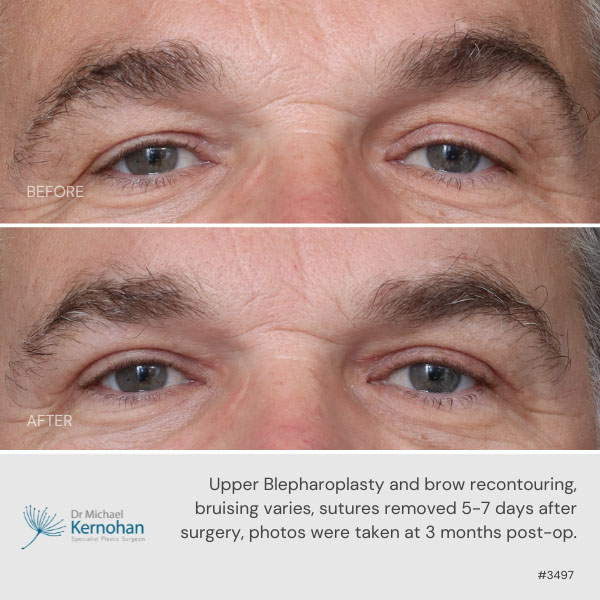
Disclaimer: The before and after photographs displayed on this page are published with the consent of the patients and are intended for informational purposes only. They provide a visual representation of the outcomes achieved by the practitioner but do not guarantee or imply that any individual will achieve similar results. Individual results may vary due to various factors, including a patient’s unique anatomy, medical history, and healing process.
View Blepharoplasty Before and After Gallery
Preparing Ahead For A Comfortable Recovery
Planning ahead can make a significant difference in how smooth and manageable the recovery process is. Patients are encouraged to prepare their homes with essential items such as cold packs, eye drops if prescribed, soft bedding, and clean towels. Having meals pre-prepared and organising support from friends or family members can ease the demands of the first few days.
Ensuring that items like sunglasses, loose clothing, and hygiene supplies are within easy reach helps reduce strain and allows patients to focus fully on healing. Dr Kernohan provides a recovery checklist during consultations to help patients feel confident and ready ahead of surgery day.
Long-Term Healing Outlook
While the majority of swelling and bruising resolves within two weeks, it is not uncommon for minor puffiness or changes in skin sensation to persist for a few weeks longer. This is especially noticeable in the mornings or after long periods of rest. These effects are temporary and improve steadily as the tissues regain their normal balance.
The final results of blepharoplasty become more apparent around the three-month mark when residual swelling has fully subsided, and the incisions have matured. Dr Kernohan remains available throughout the long-term recovery phase to ensure patients remain informed, comfortable, and happy with their outcomes.
Take the Next Steps In Beginning Your Recovery With Specialist Care
Recovery from eyelid surgery requires more than rest – it involves a well-planned and carefully guided approach tailored to your individual needs. Dr Michael Kernohan, Specialist Plastic & Reconstructive Surgeon based in South West Sydney, provides the expertise, follow-up care, and recovery strategies patients need to reduce swelling and bruising effectively.
If you’re preparing for blepharoplasty or are currently recovering, you can contact Dr Kernohan’s clinic for a personalised consultation. You may also send secure photos for a complimentary preliminary assessment. With supportive care and local guidance, your recovery journey can be comfortable, confident, and well-managed from start to finish.

FAQs About Reducing Swelling And Bruising After Eyelid Surgery
Further Reading
- Read more about Facial Surgery NSW
- Read Dr Kernohan’s Blog on Tips And Timeline For Recovery After Brow Lift Surgery
- Read Dr Kernohan’s Blog on Solutions for Sunken Eyes
- Read Dr Kernohan’s Blog on Eyelid Surgery Scar Treatment, Healing and Fading
- Will Medicare Cover Eyelid Surgery?
- Blepharoplasty Liverpool, NSW
Note: Persistent swelling beyond four weeks can happen, but it should be minimal and mostly not visible to others. If you remain uncertain about your progress, a follow‑up with your Specialist Plastic & Reconstructive Surgeon can help reassure you and guide next steps.

Will Medicare Cover Eyelid Surgery?
Medicare Coverage for Eyelid Surgery You may be overwhelmed by the complexities of Medicare and…

What Are Hooded Eyes?
Causes and Treatment for Excess Eyelid Skin Eyelid ptosis (sag) can blur your vision and…

What are Heavy Eyelids?
Causes and Solutions for Heavy Eyelids Heavy eyelids are more than just a reminder of…