
If you’re based in Campbelltown NSW and seeking a Specialist Plastic and Reconstructive Surgeon, Dr Michael Kernohan offers consultations and surgery at his primary clinic in Gregory Hills and his Sydney City clinic in Surry Hills. While he does not consult directly in Campbelltown, the Gregory Hills practice is a short drive away, making it a convenient option for patients from suburbs including Glen Alpine, Bradbury, Rosemeadow and Raby.
With a combination of specialist training, hospital-based experience and personalised care plans, Dr Kernohan provides patients from Campbelltown with access to evidence-based surgery in accredited hospitals supported by qualified teams.

Why Choose a Specialist Plastic and Reconstructive Surgeon?
Plastic and reconstructive surgery is a complex and demanding field that involves many years of specialist training, clinical exposure in public hospital settings and continual professional development. Surgeons who achieve the Fellowship of the Royal Australasian College of Surgeons (FRACS) have demonstrated a high level of commitment and skill, meeting Australia’s most rigorous surgical standards.
For individuals in Campbelltown considering surgery, selecting a surgeon with recognised specialist training offers a range of practical benefits. These professionals hold accredited qualifications and have extensive knowledge acquired through years of clinical experience. They are integrated into hospital systems, supporting continuity of care and collaborative management for patients who may require both public and private health services. Their experience spans reconstructive procedures such as skin cancer repair or trauma surgery, as well as elective surgeries involving the face, breast and abdominal areas. They provide honest, thorough guidance about risks, healing processes and anticipated outcomes.
In Australia, the title “Specialist Plastic and Reconstructive Surgeon” is regulated by the Australian Health Practitioner Regulation Agency (AHPRA). Only those who have completed the necessary qualifications and specialist training pathways are permitted to use this title.
Are you ready for surgery? Find out
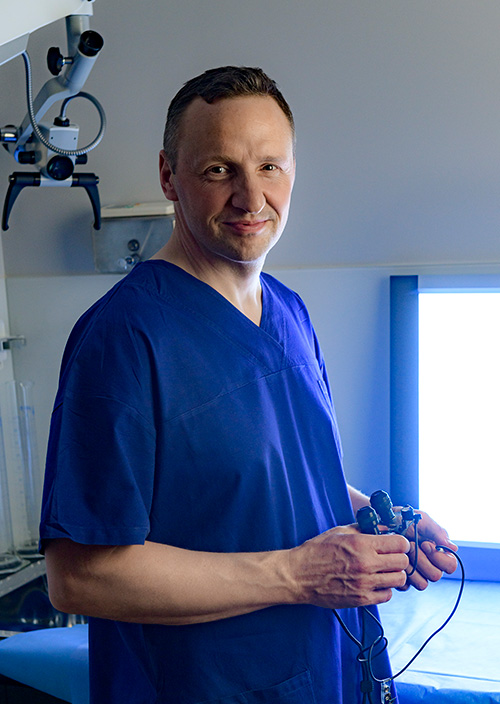
About Dr Michael Kernohan
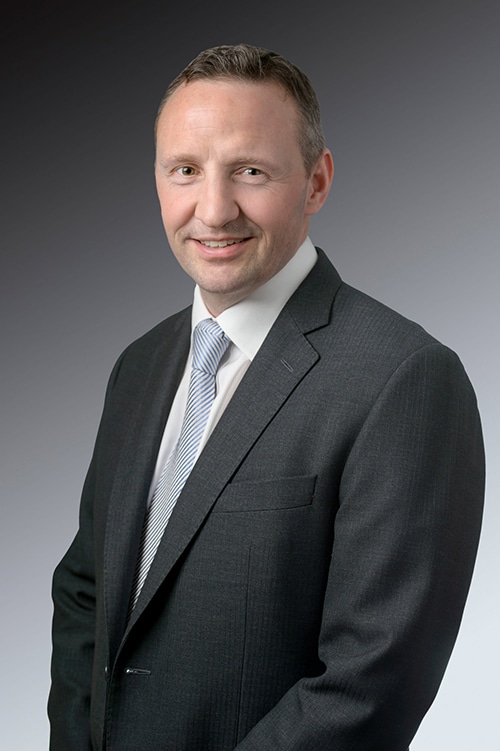
Dr Michael Kernohan is a respected Specialist Plastic and Reconstructive Surgeon with a well-established presence in South West Sydney. His professional background includes FRACS accreditation through the Royal Australasian College of Surgeons and surgical experience across both public hospitals and private practice environments.
Dr Kernohan plays an active role in major public hospitals, where he manages trauma and cancer-related cases requiring reconstructive intervention. He also performs a wide range of elective procedures in private practice, including facial, breast and abdominal surgery. His career includes mentoring junior doctors and participating in medical education.
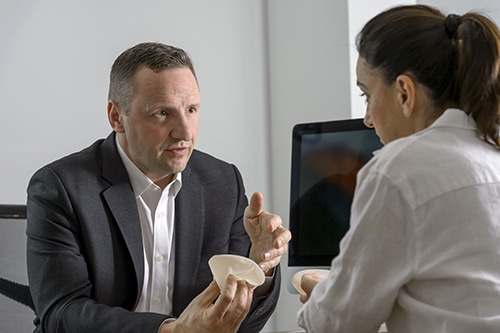
His patient-focused approach emphasises education and clear communication. During consultations, he confirms that patients understand all aspects of proposed procedures, including the risks, recovery expectations and likely outcomes, before making any decisions. Consultations are structured to support informed consent and allow time for consideration.
Surgical Procedures Commonly Requested by Campbelltown Patients
Dr Kernohan performs a wide variety of surgical procedures for both reconstructive and elective purposes. Patients from Campbelltown frequently request information about the following:
Breast Reduction Surgery
Many individuals consider breast reduction surgery to help manage physical symptoms such as neck, back or shoulder discomfort. The procedure involves removing excess breast tissue and skin, with changes made to suit the individual’s anatomy. The goal is to support physical comfort and movement. Surgery is conducted in accredited hospital settings, and post-operative care is designed to promote a steady recovery process.
Abdominal Surgery Following Weight Changes or Pregnancy
After significant weight change or pregnancy, some individuals experience stretched abdominal skin or changes in abdominal wall strength. Surgery may involve removal of redundant tissue and repair of muscle separation, where clinically appropriate. Each plan is informed by a detailed health assessment, and patients receive guidance on gradual recovery expectations.

Skin Cancer Surgery and Reconstruction
Campbelltown residents with skin cancers such as basal cell carcinoma, squamous cell carcinoma or melanoma may require surgical excision. Reconstructive techniques including local flaps or skin grafts may be used to assist with functional and appearance-related outcomes. Dr Kernohan includes pathology review and follow-up care as standard components of these treatment plans.
Rhinoplasty (Nose Surgery)
Rhinoplasty may be considered to address breathing issues, changes resulting from past trauma or structural concerns that affect daily life. Each case involves a thorough assessment of nasal and airway anatomy. Patients are given clear explanations about possible risks, healing timelines and whether further procedures may be required. The procedure is planned to assist with both functional and appearance-related aspects of nasal structure.


Gynaecomastia Surgery (Male Chest Surgery)
For men with persistent breast tissue, surgical options may include excision, liposuction or a combination. A clinical assessment helps determine contributing factors such as hormonal influences or weight history. Surgery is carefully planned and tailored to individual circumstances. Recovery advice is provided to support progressive healing.
Facial Trauma and Reconstructive Surgery
Dr Kernohan treats facial trauma in his public hospital role, managing injuries such as fractures and soft tissue damage. Reconstructive procedures are performed with the aim of restoring function and appearance. Treatment planning takes into account the type of injury, timing and the patient’s overall health. Collaboration with other medical teams may be involved when needed.


Eyelid Surgery (Blepharoplasty)
Individuals may enquire about blepharoplasty for concerns related to changes in the upper or lower eyelid area. The procedure involves removing redundant skin or tissue, which can help reduce discomfort or visual field obstruction. Consultations address expectations, healing timelines and possible outcomes, including the risk of scarring or asymmetry.
Clinic Locations Accessible to Campbelltown Patients
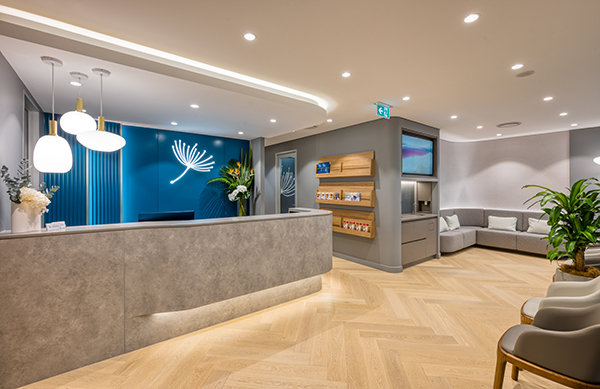
Gregory Hills is the closest practice location for patients in Campbelltown, typically within a 10 to 15-minute drive via Camden Valley Way or Narellan Road. This location is well situated for residents of the Macarthur region.
Patients who prefer Sydney City or work in the CBD may choose the Surry Hills clinic, which is accessible by direct train from Campbelltown Station to Central Station. Both clinics operate in conjunction with accredited private hospitals and provide care supported by anaesthetists and qualified teams.
Travelling from Campbelltown NSW
Campbelltown is connected to both practice locations by car and public transport. Gregory Hills is reachable in under 15 minutes by car, and on-site parking is available. For Sydney City appointments, patients can take a direct train to Central Station and walk to the Surry Hills clinic. Taxis and rideshare services are available across Campbelltown and surrounding suburbs such as Glenfield and Ingleburn.
For patients travelling from regional locations, telehealth consultations may be appropriate to reduce travel requirements.
What Campbelltown Patients Value Most
Patients often mention the convenience of the Gregory Hills location when attending consultations and follow-ups. They also appreciate a communication style that is clear, respectful and focused on supporting informed decisions. Consultations are structured around health history, options for care and written material to assist with decision-making. Patients who receive both public and private care also note the benefit of having continuity across these systems.
Preparing for Your Consultation
Your first consultation includes a detailed review of your health history, a physical assessment and discussion of surgical options. Risks, healing timelines and potential outcomes are explained during the appointment. Where appropriate, patients are offered written information to take home. You are encouraged to ask questions and take time to consider options. A second consultation may be recommended in more complex cases or when multiple procedures are being considered.
Commitment to the Campbelltown and South West Sydney Community
Dr Kernohan’s dual roles in both public hospitals and private practice allow him to care for patients with a broad range of health needs. He regularly treats trauma and cancer-related cases referred from Campbelltown Hospital, while also offering planned procedures at private hospitals nearby. His experience across both systems allows patients to access care that is consistent, local and aligned with broader healthcare services in the region.

FAQs Campbelltown
Book an Appointment
Booking a consultation with Dr Michael Kernohan is the first step towards exploring your surgical options in a structured and informed environment. Whether you are enquiring about reconstructive surgery, addressing functional changes, or considering elective procedures, each consultation is tailored to your health status, needs and goals.
You can choose to attend the Gregory Hills clinic, which is conveniently located for patients in Campbelltown and the Macarthur region, or the Sydney City clinic in Surry Hills, which may be more suitable for those working or staying in the CBD. Telehealth consultations are also available where appropriate, especially for initial discussions or follow-up planning.
To arrange your appointment:

Phone: (02) 8310 9021
Email: [email protected]
Contact Form: www.drmichaelkernohan.com.au/contact
Further Reading
- Read more about Recovery after Cosmetic and Plastic Surgery
- Read more about Plastic Surgery Risks and Complications
- Read more about Plastic Surgery Sydney Prices
All surgical procedures carry risks. A second opinion from an appropriately qualified health practitioner should be sought before proceeding. Individual results will vary depending on patient anatomy, health status and post-operative care.