
- Take The Quiz
- Understanding The Anatomy Of Facial Ageing
- What A Lower Facelift Involves
- Download Dr Kernohan's Facelift Surgery Guide
- What A Full Facelift Involves
- Lower Facelift Vs. Full Facelift: Key Differences
- Appropriate Candidates For A Lower Facelift
- Appropriate Candidates For A Full Facelift
- Considerations That Influence Your Choice
- Facelift Before and After Photos
- The Importance Of A Personalised Surgical Plan
- FAQs About Lower Facelift Vs Full Facelift
- Book A Consultation To Explore Your Facial Surgery Options
- Further Reading
When patients begin exploring facial surgery options, one of the most common questions is whether a Lower Facelift or a Full Facelift is the most appropriate. Both are surgical procedures designed to address age-related changes in the face – but they differ significantly in their scope, recovery, and outcomes. Understanding which one suits your facial structure and aesthetic goals is an important part of the decision-making process.
Dr Michael Kernohan, Specialist Plastic & Reconstructive Surgeon based in Sydney, offers personalised advice and procedures to help patients navigate this choice. Through detailed consultation and analysis, he guides each individual toward a solution that suits their anatomy, lifestyle, and long-term goals.
Take The Quiz
Understanding The Anatomy Of Facial Ageing
As we age, changes in the skin, fat, muscle, and connective tissue of the face lead to visible signs of ageing. The skin loses elasticity, fat redistributes or diminishes, and supportive structures in the face begin to relax. These changes occur in specific regions – the cheeks, lower face, jawline, and neck – and each area ages at a slightly different rate.
Some patients notice early ptosis (sagging) around the jawline and chin, while others experience volume descent in the cheeks or more generalised laxity across the lower and midface. Understanding which areas are affected helps guide the most appropriate surgical approach. A procedure that addresses your primary concerns – without overtreatment – is often more effective and leads to a more natural result.
What A Lower Facelift Involves
A lower facelift is a targeted surgical procedure that focuses on the lower third of the face. This includes the jawline, jowls, nasolabial folds, and in some cases, the upper neck. The goal is to refine the facial contour by repositioning tissue and tightening skin in these areas.
The incisions for a lower facelift are usually placed around the ears and may extend slightly into the hairline. The deeper layers beneath the skin are repositioned to provide support before the skin is gently redraped. It may reduce the appearance of jowls and early skin laxity along the lower face.
Recovery from a lower facelift often requires less time compared to a full facelift, with most patients resuming light activity within a week and seeing early results within a few weeks. Bruising and swelling are generally more limited to the areas treated, making recovery more predictable.
Download Dr Kernohan’s Facelift Surgery Guide
What A Full Facelift Involves
A full facelift is a comprehensive procedure designed to address ageing across a broader area of the face. It includes the midface, lower face, jawline, and often the upper neck. This approach is suitable when ageing signs are more advanced or widespread.
Incisions for a full facelift typically begin near the temples, continue around the ears, and may extend into the hairline or behind the ears, depending on the surgical plan. The deeper facial structures are repositioned to address volume loss and lift tissues, creating an appearance that maintains the natural character of the face.
Recovery from a full facelift usually takes a little longer. Swelling and bruising may extend across a larger area, and patients should plan for a longer period before returning to full social or professional activities. However, for those with more significant facial laxity, the results may be more noticeable and longer lasting.
Lower Facelift Vs. Full Facelift: Key Differences

One of the key distinctions between a lower facelift and a full facelift lies in the treatment areas. A lower facelift focuses only on the lower third of the face – typically the jawline and chin – and may subtly address the neck. A full facelift addresses the midface, lower face, and neck, offering more extensive repositioning of soft tissues.
In terms of recovery, the lower facelift is usually quicker and involves less downtime, while the full facelift involves a broader healing process. Importantly, age alone doesn’t determine which procedure is right – it’s about where the ageing is most prominent. Someone in their 40s may be a candidate for a lower facelift if concerns are localised, while a person in their 60s may be better suited to a full facelift if ageing is more generalised.
Choosing between the two also depends on the desired outcome. A lower facelift offers subtle adjustment, while a full facelift delivers more comprehensive change.
Appropriate Candidates For A Lower Facelift
Suitable candidates for a lower facelift are individuals who have noticed early to moderate sagging around the jawline and chin. These patients often retain volume in the midface and have good skin quality, but may be frustrated by jowls or a lack of definition along the jaw.
Patients may be in their 40s or early 50s, but age is not the primary factor. Facial structure, tissue behaviour, and individual goals matter more. Those seeking improvement without a significant change in appearance often find a lower facelift aligns well with their expectations.
Appropriate Candidates For A Full Facelift
A full facelift may be better suited for individuals with more advanced facial ageing – including descent of cheek fat, deep nasolabial folds, neck laxity, and visible loss of facial support. These signs usually develop over time and affect multiple regions of the face.
Suitable candidates for a full facelift are often in their late 50s or beyond, but again, the decision is guided by anatomical assessment rather than age. These patients are prepared for a longer recovery period and are looking for broader adjustment across several facial zones.
Those who have previously had a lower facelift and are seeking further changes in other areas may also consider a full facelift.
Considerations That Influence Your Choice
Several factors influence whether a lower or full facelift is the right choice. Skin thickness, underlying bone structure, tissue tone, and lifestyle all play a role. Some patients may benefit from combining facelift surgery with other procedures – such as a neck lift, eyelid surgery, or chin contouring – to address balance and proportion.
Recovery time and the ability to take time off work or daily commitments may also shape the decision. Patients with more flexible recovery schedules may feel comfortable choosing a more comprehensive procedure.
Dr Kernohan’s assessment process in Sydney includes a thorough review of medical history, facial photography, and physical examination. This ensures each patient receives personalised advice and avoids unnecessary interventions.
Facelift Before and After Photos

The Importance Of A Personalised Surgical Plan
Every face is different, and so is every facelift surgery in Sydney. There is no universal approach to surgical facial procedures. The decision to pursue a lower or full facelift should be made in consultation with a specialist plastic surgeon who understands the nuances of facial anatomy and the long-term effects of each technique.
Dr Michael Kernohan takes a patient-centred approach, discussing goals, lifestyle, and recovery preferences to build a tailored surgical plan. Diagnostic imaging, detailed assessments, and open conversations support informed decision-making.
Surgical planning is about balance – achieving your desired appearance without overcorrection. That’s why Dr Kernohan works closely with each patient to design a procedure that aligns with their aesthetic goals and supports natural-looking outcomes.

FAQs About Lower Facelift Vs Full Facelift
Book A Consultation To Explore Your Facial Surgery Options
Choosing between a lower facelift and a full facelift is a personal decision. It requires honest discussion, anatomical understanding, and support from a qualified surgeon.
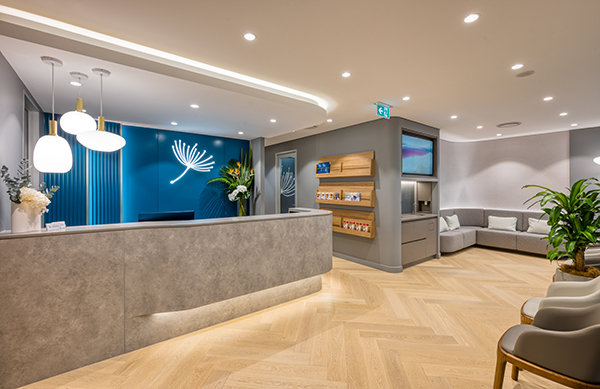
Dr Michael Kernohan offers in-person consultations and photographic assessments for patients in Sydney and surrounding regions. His clinic provides a calm, professional environment where questions are welcomed, and clarity is prioritised.
This article’s information and insight from other relevant blogs on Dr Kernohan’s website are valuable references for making a data-supported decision. To begin your journey or receive a tailored surgical opinion, Dr Kernohan’s contact and enquiry page is within easy reach. Whether you are in the early stages of ageing or considering more comprehensive facial rejuvenation, support is available every step of the way.
Further Reading
- Read more about Deep Plane Facelift NSW
- Read more about Partial Facelift Surgery NSW
- Read Dr Kernohan’s Blog on What is Involved in an Upper Facelift ?
- Read Dr Kernohan’s Blog on Complications in Facelift Surgery and How to Address Them
- Read Dr Kernohan’s Blog on Facelift for Men: What You Need to Know